




Samarco Reparations
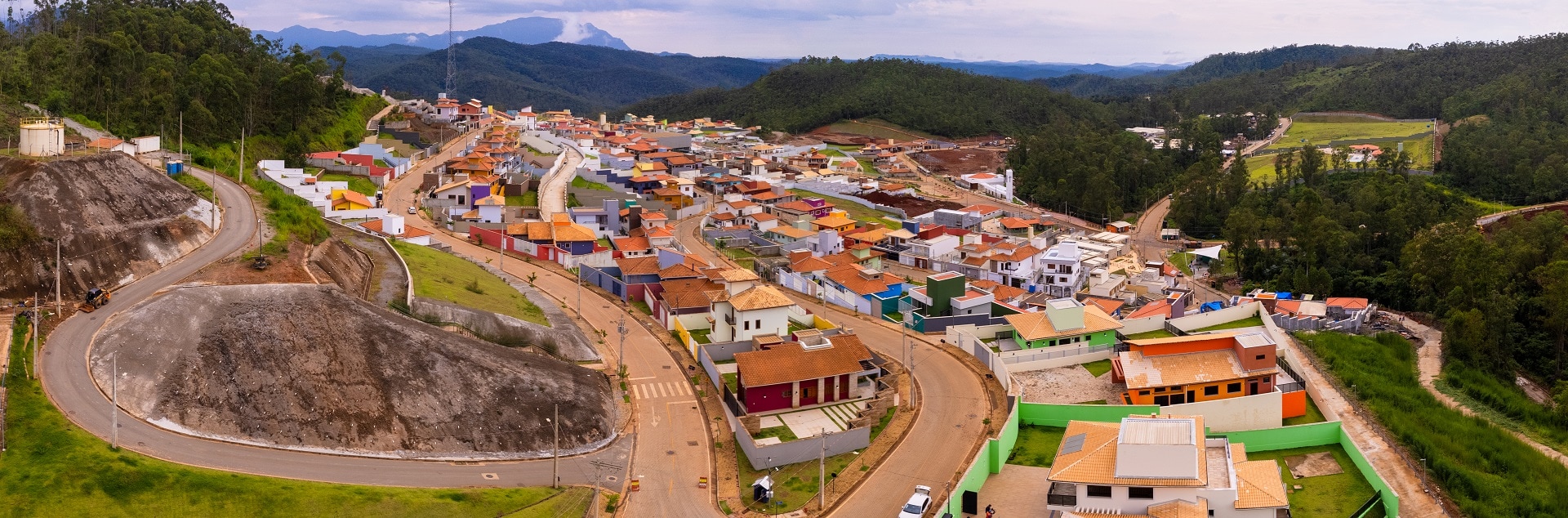
Samarco is a non-operated joint venture and BHP Brasil, one of BHP’s subsidiaries, holds a 50 per cent share alongside Vale. Following Samarco’s Fundão dam failure, BHP Brasil made a long-term commitment to support the people, communities and environment affected.


But we can continue to strive to do what's right by the people, the community, and the environments who have been deeply affected by it.
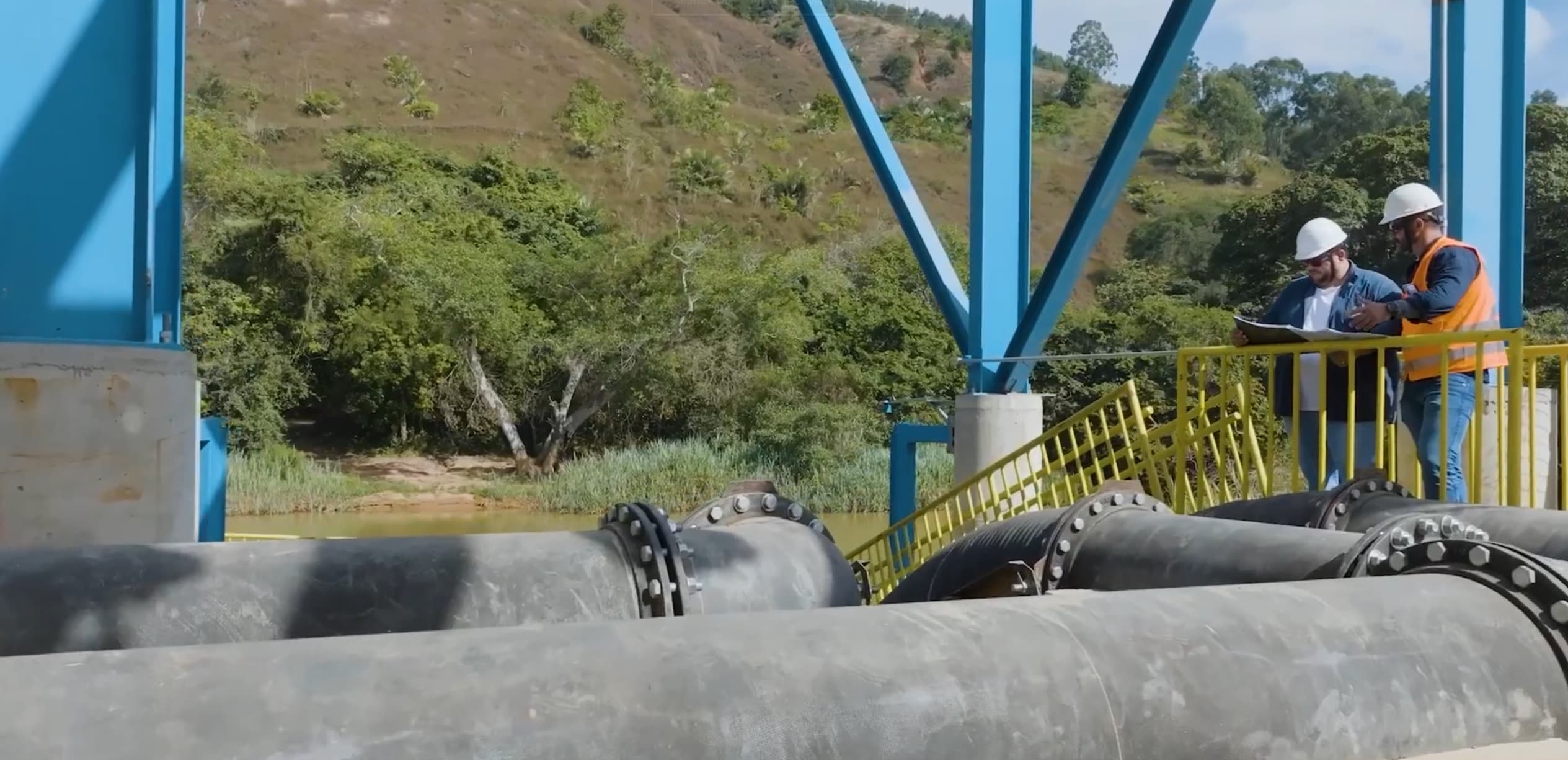
A decade of reparation
At BHP, we reaffirm our support for Samarco and our continued commitment to transparency, responsibility, and respect for the people and territories affected.
New Doce River Agreement
In October 2024, a comprehensive agreement was finalised between the Federal Government of Brazil, the states of Minas Gerais and Espírito Santo, public prosecutors and public defenders (collectively, the Public Authorities) and Samarco, BHP Brasil and Vale (collectively, the Companies).
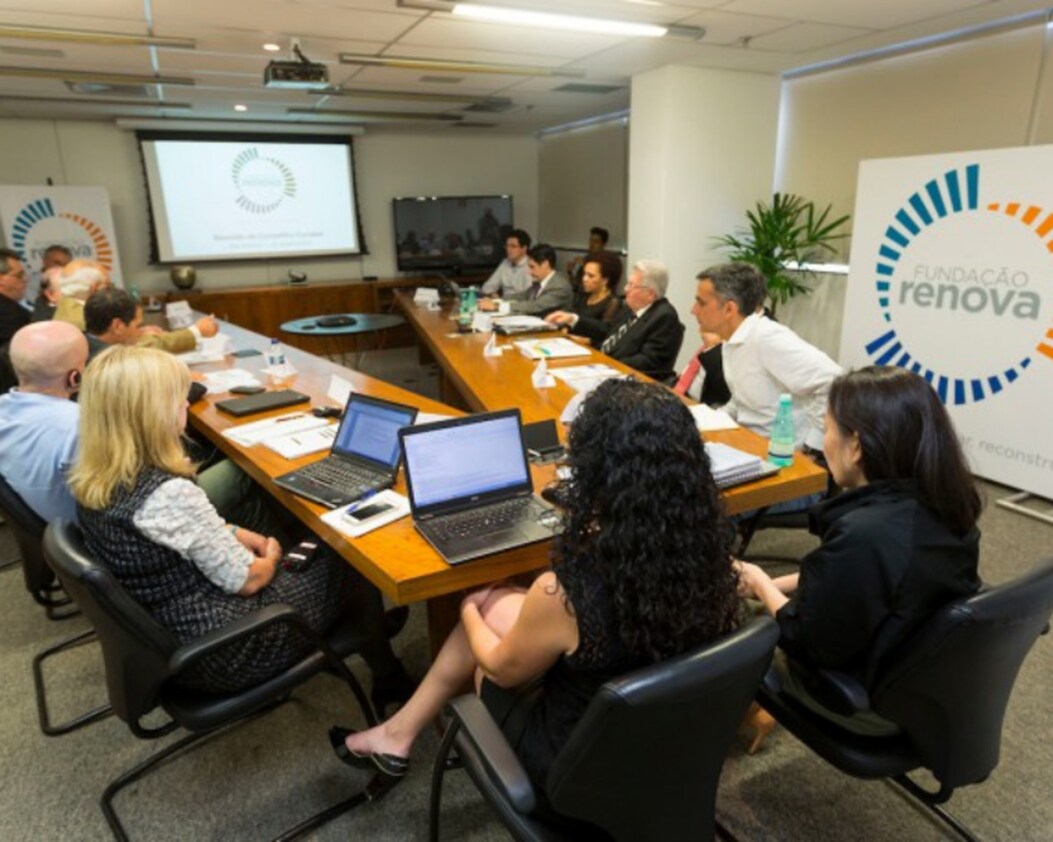
The agreement provides reparation for the impacts of Samarco’s Fundão dam failure in November 2015 and builds on the existing remediation and compensation work already performed by the Renova Foundation in Brazil.
US$ 31.7 billion
Is the total amount secured with the signing of the New Rio Doce Agreement in October 2024, distributed among programs to support people, communities, and the environment.

US$ 7.9 billion*
Disbursed by the Renova Foundation from 2015 to 2024 in reparation and compensation actions.

US$ 17.6 billion*
In new money – to be transferred by Samarco to the Public Authorities over 20 years.

US$ 5.6 billion*
Planned to be executed by Samarco in actions under its responsibility, such as payment of individual compensation, completion of resettlements, and environmental protection.

US$ 1.4 billion*
Specifically allocated to Indigenous and Traditional communities, following an official consultation process carried out by the Federal Government.

US$ 1.9 billion*
For projects that guarantee the universalization of basic sanitation throughout the Rio Doce Basin.

US$ 2.1 billion*
Directed towards strengthening the Unified Health System (SUS) in the affected municipalities.
* US$ amounts for amounts already spent is calculated based on actual transactional (historical) exchange rates related to funding provided by BHP Brasil. Future spend is calculated using BRL/US$ exchange rate of 5.696.
Action so far
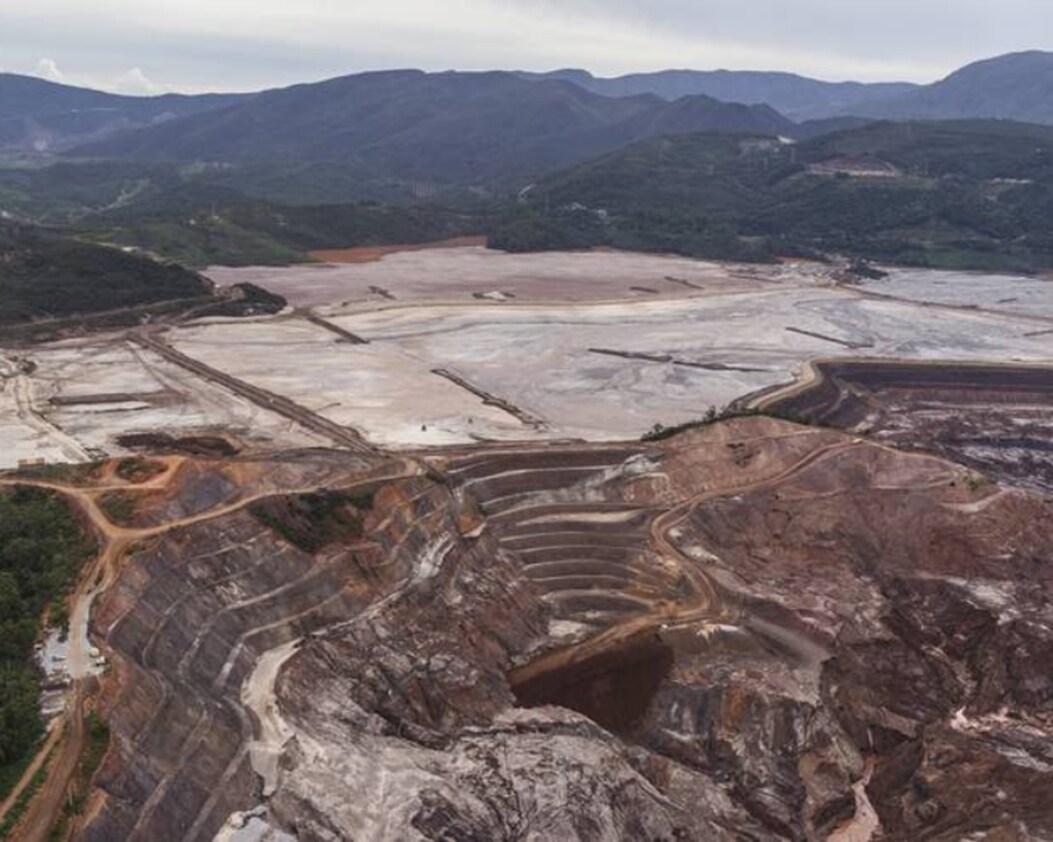
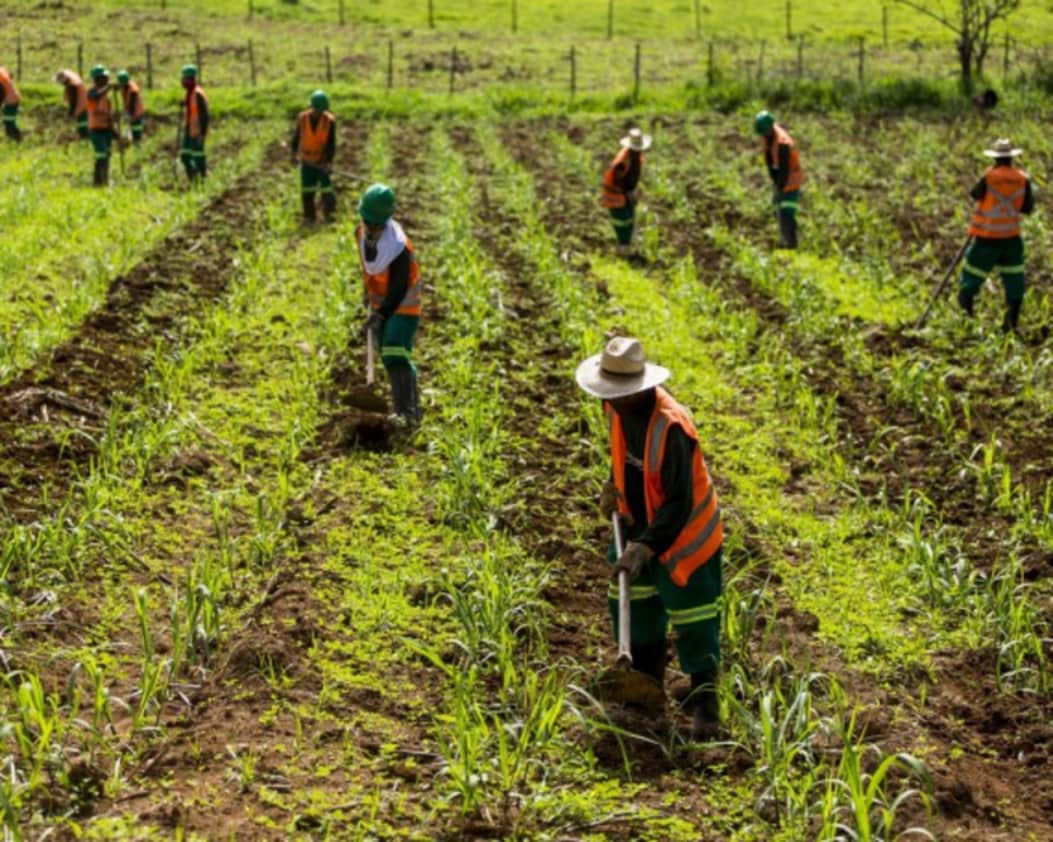
On the ground


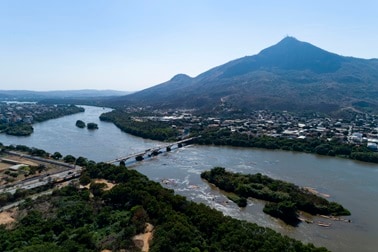

US$15.4 billion*
Allocated since 2015 for broad and diverse remediation and compensation actions.

US$7.9 billion**
Executed in remediation and compensation activities from 2015 to 2024 by the Renova Foundation.

US$8.1 billion**
Disbursed by Samarco within 18 months of signing the New Rio Doce Agreement.
* Based on actual transactional (historical) exchange rates related to funding provided by BHP Brasil.
** Based on the exchange rate as at 30 June 2026 BRL/US$ of 5.176.
Around 635,000
People have been paid as of 30 June 2026.

Approximately US$6.6 billion*
Paid directly to affected individuals in more than 800,000 agreements.

Over US$ 3.4 billion*
Transferred to public authorities through April 2026, out of a total of R$ 100 US$ 17.6 billion to be transferred over 20 years.

~1.5 million
Annual data points confirming that the Rio Doce water quality has returned to historical levels.

Over 83
Active monitoring stations installed along the Rio Doce and coastal area, including real-time monitoring stations.

~46,500 hectares
In addition to 4,501 springs, protected and undergoing restoration.
Status of legal proceedings
BHP Group Ltd and BHP Group (UK) Ltd (former BHP Group Plc) are defendants in a group action underway in the English Court, filed in 2018 by an English law firm. BHP is defending the claim.

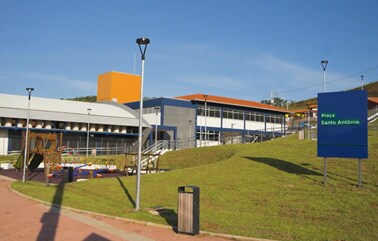
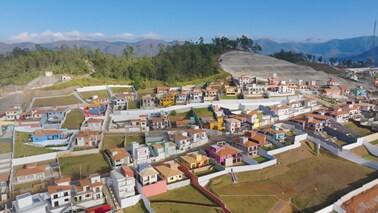
BHP Brasil is one of the shareholders of Samarco, the company responsible for the Fundão dam, which has always operated independently. Since the collapse in 2015, BHP has been one of the signatories of the reparation agreements and is committed to the integral reparation process.
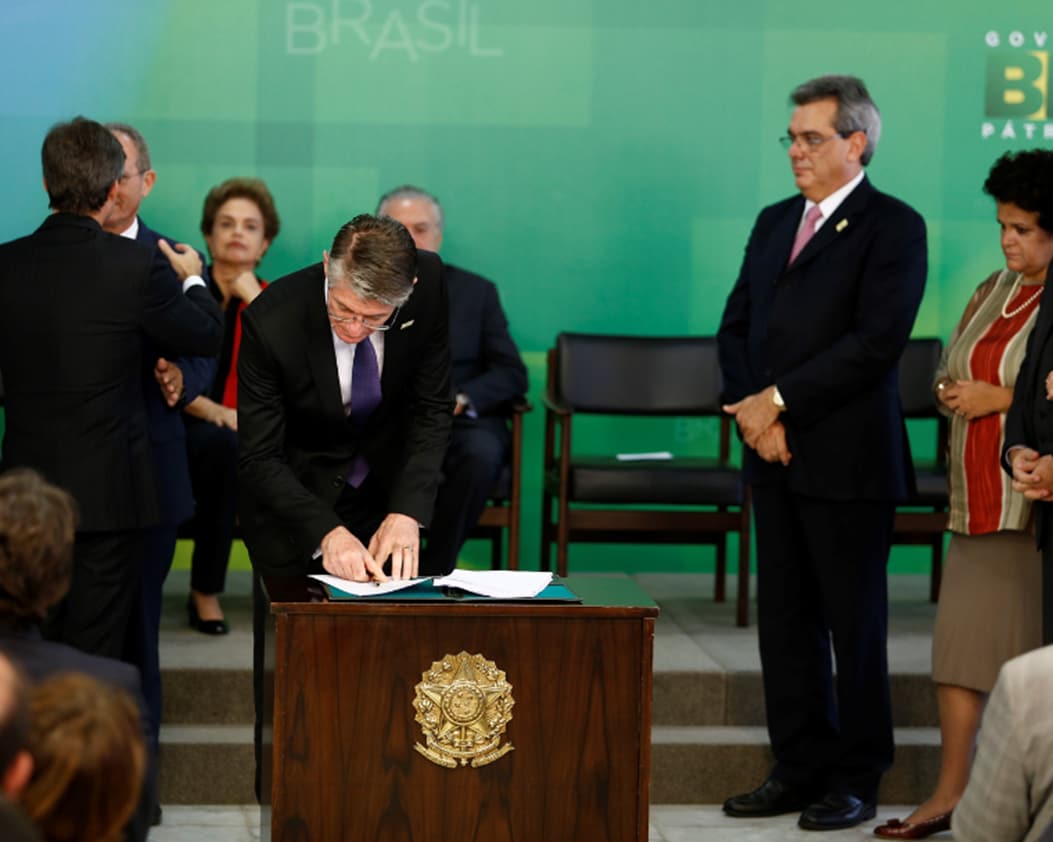
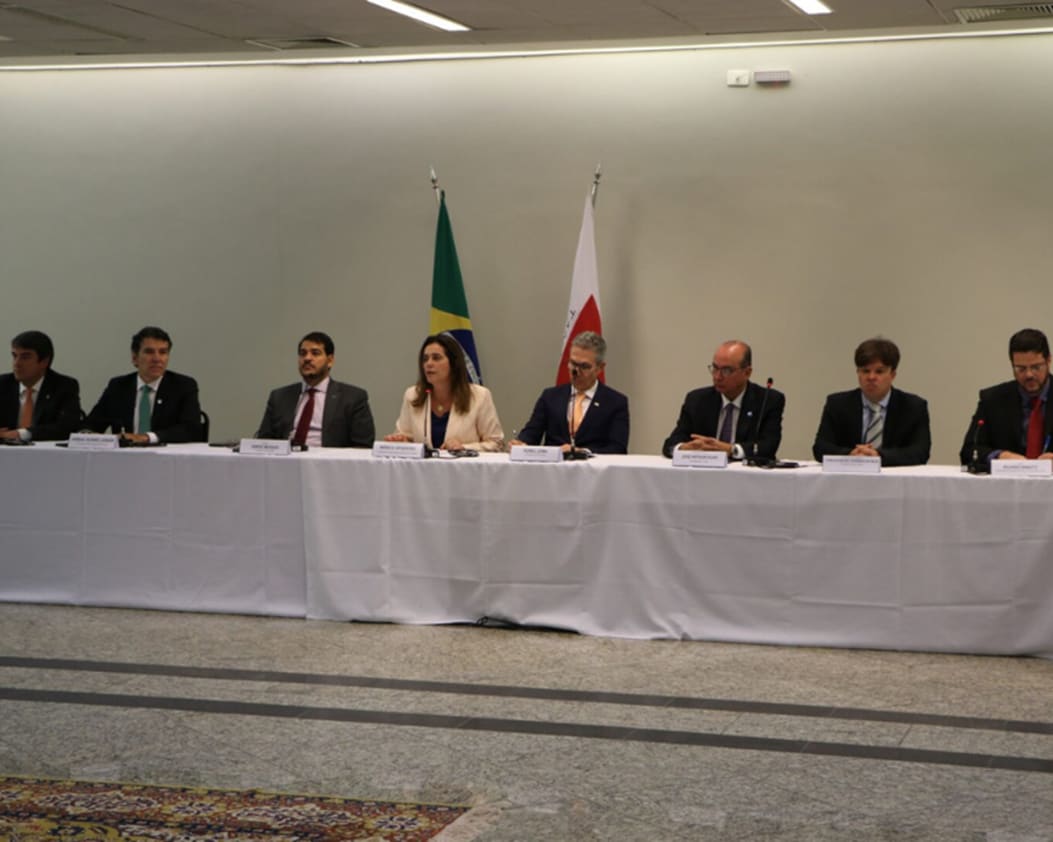
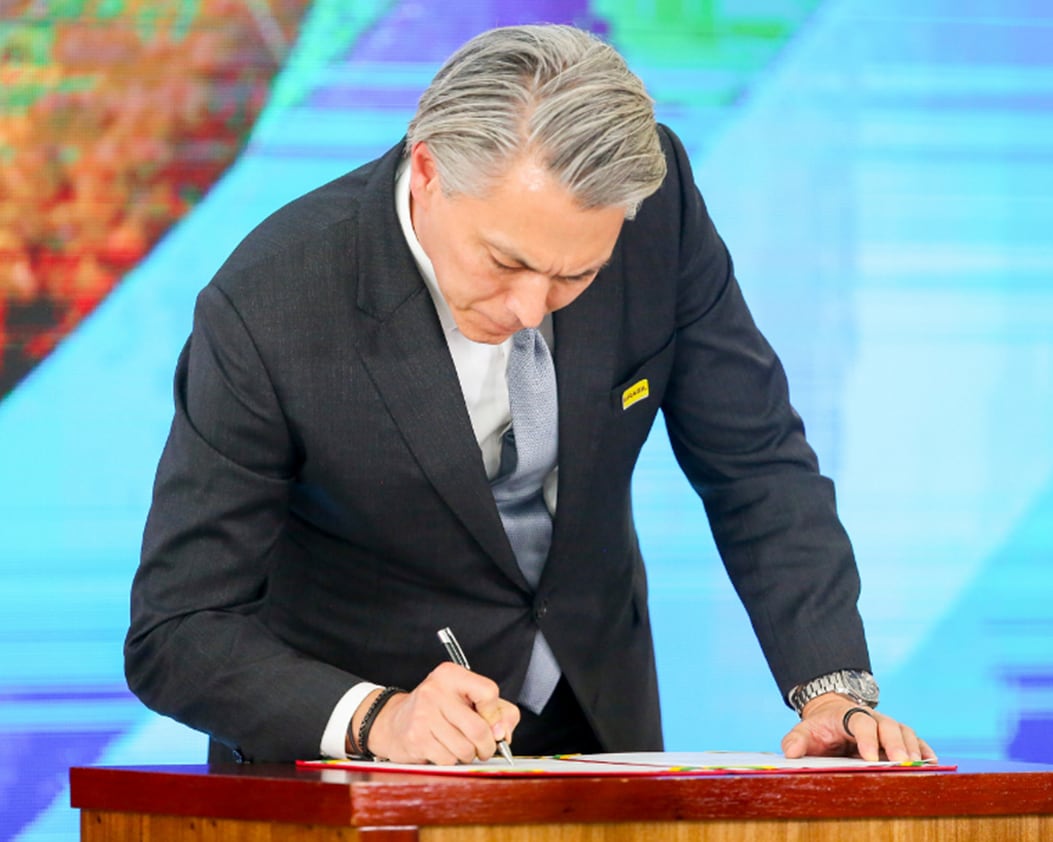
The New Rio Doce Agreement was signed on October 25, 2024, between the Brazilian Federal Government, the State Governments of Minas Gerais and Espírito Santo, Justice Institutions, Samarco, BHP, and Vale. It ensures the continuity of the reparation process underway since the Fundão dam collapse in 2015, allocating R$ 170 billion for socio-environmental actions and indemnities. Of this amount, R$ 38 billion had already been directed since 2017; R$ 32 billion are among Samarco's execution obligations, and another R$ 100 billion represent payments to be made over 20 years to public authorities.
As one of Samarco's shareholders, BHP is a signatory to the Agreement. BHP Brasil actively supports the implementation of the New Rio Doce Agreement and reiterates its commitment to ensuring integral and fair reparation for those affected.
The Agreement seeks to indemnify affected individuals through different indemnity programs. The Definitive Indemnity Program (PID) is one of these main mechanisms, offering an indemnity of R$ 35,000 per eligible person. There are also specific indemnities, such as R$ 95,000 for professional fishermen and family farmers, and amounts for Water Damage, in addition to programs such as Loss of Earnings, PIM-AFE, and Novel. Since the collapse in 2015, until April 2026, R$ 35.3 billion has already been allocated for indemnities and financial aid, benefiting over 800,900 people. For more details on the programs and criteria, visit the Samarco website.
The Agreement allocates over R$ 16 billion for environmental actions, in addition to Samarco's direct obligations. It provides for the protection of 5,000 springs and 50,000 hectares of reforestation, the creation of the Environmental Protection Area of the Rio Doce Estuary, the consolidation of conservation units, and the removal of tailings at the Risoleta Neves (Candonga) Hydroelectric Plant. Resources are allocated to the federal government and the states of Minas Gerais and Espírito Santo, including funds for flood prevention. Another front includes rural development and agroecological projects currently underway. Until April 2026, 46.4 thousand hectares have been fenced for reforestation, and 4.4 thousand springs have been protected and preserved, in addition to an agroecological project of R$ 50 million initiated in April.
In the area of health, the Agreement foresees a total transfer of R$ 12 billion. Of this amount, R$ 11.3 billion are managed by the Rio Doce Fund for the Special Health Program, aiming to strengthen the SUS in the affected municipalities. In 2025, BNDES released R$ 985 million for the construction of new health units, hospitals, and projects to improve the quality of care in Minas Gerais and Espírito Santo. For the universalization of sanitation in the affected region, R$ 11 billion are allocated, including a concession project of R$ 7.5 billion for 200 municipalities in Minas Gerais, with bidding expected for 2027.
The Agreement provides for indemnities for collective damages to indigenous peoples, quilombola communities, and traditional gold panners/prospectors. Financial aid, funds for projects, and support from Independent Technical Advisories (ATIs) are also guaranteed for these groups.
The Agreement dedicates a specific section to infrastructure, aiming for comprehensive repair and improvements. There is a total of R$ 4.3 billion allocated for mobility infrastructure in the states of Minas Gerais (mainly BR-356) and Espírito Santo (BR-262). For the repair of directly affected infrastructures (such as public and private assets), there is no fixed total value, as these obligations are not subject to the financial ceiling of the Agreement, and costs are assumed according to the needs of each asset. The Agreement also establishes the completion of resettlement works in Novo Bento Rodrigues and Paracatu, planned for the end of 2026, and allocates R$ 1 billion to the National Mining Agency (ANM) to strengthen supervision and risk prevention in dams.
Progress can be monitored through the Unified Portal "Reparação Rio Doce", which centralizes official information, and also through Samarco's channels.
The Agreement guarantees a comprehensive reparation project that directly benefits the municipalities that adhered to the agreement. They receive direct resources to invest in local infrastructure, environmental recovery, and social programs/income generation. The 20-year payment plan and the division of installments ensure predictability for public administration and the continuity of the reparation project. Despite this, even municipalities that did not directly adhere to the Agreement benefit from the broader reparation actions focused on health, sanitation, and infrastructure that occur throughout the Rio Doce Basin. The third installment for the Public Sector, totaling R$ 6.82 billion, was paid in April 2026.
Since 2015, BHP Brasil has been supporting Samarco to ensure fair and integral reparation. We will continue our robust defense in the English lawsuit for as long as necessary. We are confident that the New Rio Doce Agreement is the quickest and most efficient solution to indemnify the people and communities affected by the collapse of the Fundão dam, from Samarco.
The Renova Foundation was dissolved on November 3, 2025, in compliance with the Agreement. The process included the approval of the Public Prosecutor's Office, the responsibility for outstanding obligations by Samarco, the transfer of assets, and the demobilization of its structure.
The New Rio Doce Agreement, with a total value of R$ 170 billion, has demonstrated progress and resolutive capacity. Since its homologation in November 2024 until April 2026, R$ 42.11 billion have been disbursed to individuals and federal entities. The third installment for the Public Sector, totaling R$ 6.82 billion, was paid in April 2026. Since the dam collapse in 2015, over 800,900 people have received R$ 35.3 billion in indemnities and financial aid.