




Safety

Nothing is more important than protecting the safety and wellbeing of our workforce and eliminating fatalities from BHP.

Our ambition
The safety of our people will always come first as we strive to strengthen our continued efforts to eliminate fatalities across BHP.
Our approach and position
At BHP, achieving safe outcomes is at the heart of how we operate and is aligned with Our Charter values: do what’s right, seek better ways, and make a difference. Protecting the health and safety of our people and the communities where we operate underpins the way we work (refer to Health section for further details).
By their nature, our working environments can expose our workforce to risk. Our objective is to identify and assess those risks and to implement and verify controls that will prevent or mitigate their potential impacts. Our assessment of safety risks also includes, where relevant, consideration of potential community impacts and associated risk controls.
It is imperative that we foster a culture of care and engage with our workforce to learn and improve. We recognise that our people are instrumental in helping us to achieve performance improvements and safe operational outcomes. In practice, this means encouraging a safe to speak up culture everyday, and having a systematic approach to identifying work-related hazards and risks, understanding events with the potential for serious consequences, and ensuring effective controls are in place, consistently verified and improved where required.
The BHP Board has established a Sustainability Committee to support and advise the BHP Board on sustainability matters across the Group. The Committee oversees the Group’s health, safety, environment, climate and community performance and advises the Board on the adequacy of governance arrangements with respect to those areas. This includes monitoring the implementation of the Group's health and safety strategy, policies and processes and reviewing relevant data, reports and performance trends. Executive leadership is accountable for implementing the health and safety strategy, managing risks effectively across operations and fostering a culture of continuous learning and improvement.
Health and safety governance is supported by a structured framework of policies, standards and procedures that define minimum requirements. Assurance of their effectiveness is provided through internal audits, management reviews and targeted independent assurance activities.
For more information on the role of the Sustainability Committee in overseeing BHP’s approach to sustainability and delivery on our sustainability ambitions, refer to the Sustainability approach webpage.
Effective engagement and strong partnerships are fundamental to creating a safe and inclusive work environment. This includes our relationships with contractors and vendors, who play a critical role in supporting and delivering work safely.
Employees and contractors have multiple channels to raise safety concerns and report hazards, including line leadership, formal reporting systems and anonymous mechanisms. We work closely with our workforce and contractors to convey health and safety expectations, strengthen risk control management, and drive continuous improvement in line with our standards and legal obligations.
Health and safety performance, learnings and expectations are regularly communicated through multiple channels to ensure accessibility and understanding across the workforce.
Field leadership
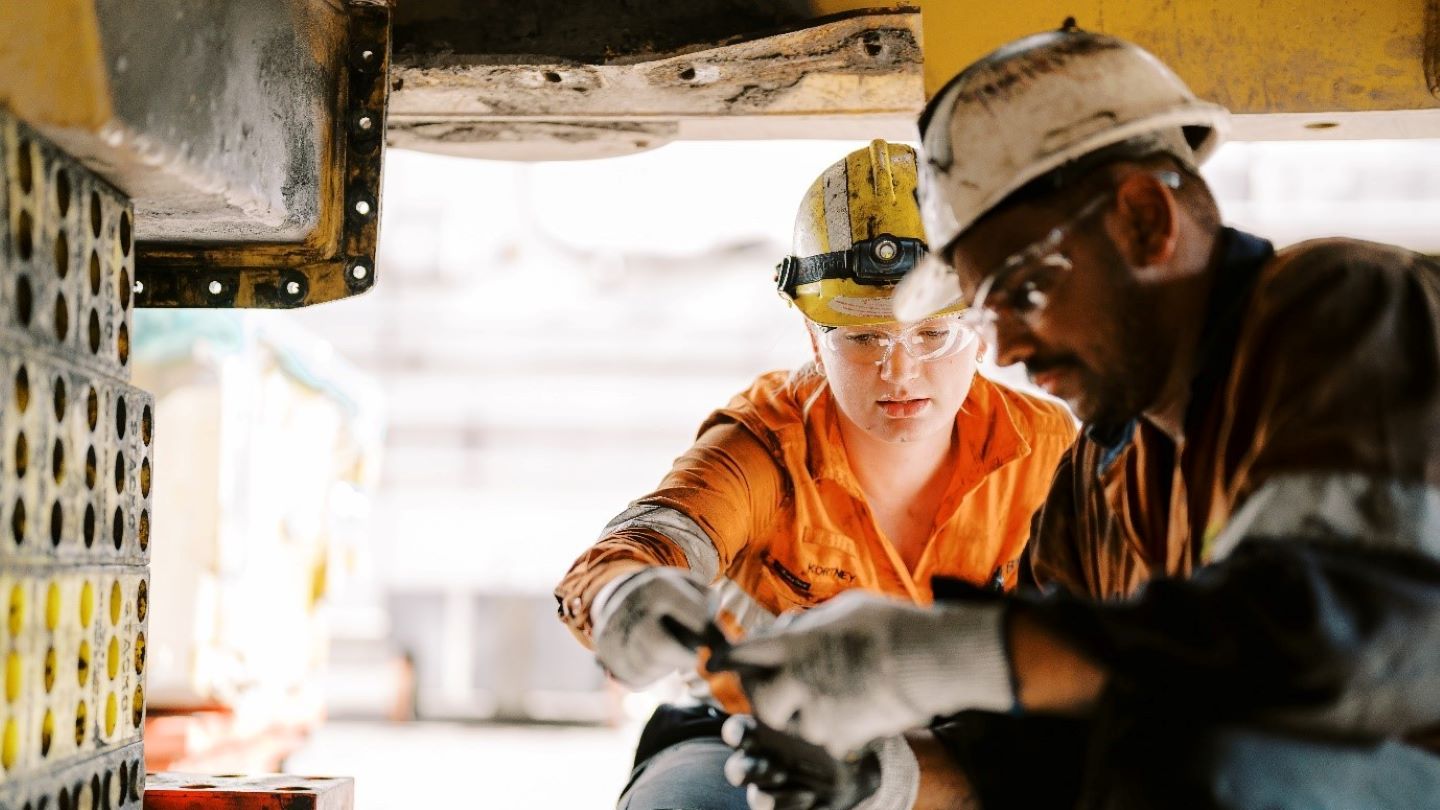
Strong, visible leadership is central to protecting our people and operating safely. Through our Global Field Leadership Program, leaders regularly engage with frontline teams to understand the realities of work, reinforce expectations and to build a culture of care, trust and accountability.
By spending time in the field, leaders listen to feedback, identify health and safety risks, and verify that effective controls are in place to keep people safe. These interactions also encourage open conversations, empowering the workforce to speak up about hazards, share ideas and contribute to safer and more efficient ways of working. Insights gained are used to recognise innovation and continuously improve practices across our operations.
The purpose of the Field Leadership Program is to strengthen organisational capability at all levels. Leaders role model our values, reinforce standards and provide coaching that supports safe decision-making and improved safety outcomes.
Field leadership activities are embedded into regular leadership routines and include four core elements:
- Layered audits to conduct deep dive reviews of health, safety or environment topics
- Critical control observations to confirm understanding and application of key risk controls
- Planned task confirmations to ensure work is performed as intended and identify improvement opportunities
- Take Time talks to foster open, inclusive discussions about safety and work execution
Introduced globally in FY2019, the Field Leadership Program is monitored across operated assets for meaningful insights and themes to support ongoing risk management, continuous improvement and long-term sustainability.
Contractor management
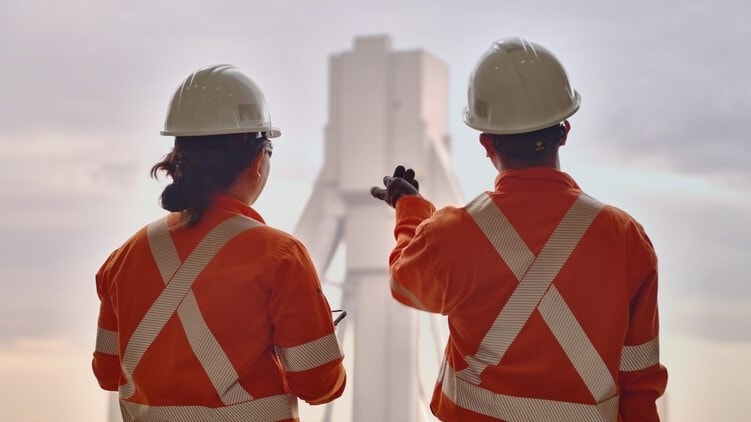
BHP expects contractors, suppliers and vendors to manage occupational health and safety risks in line with BHP standards and applicable legal requirements. These expectations are embedded into contracting and procurement processes, including pre-qualification, contract terms and performance monitoring.
We work in partnership with contractors and vendors to identify and manage health and safety risks, share learnings and drive continuous improvement, particularly where activities are performed on BHP sites or under BHP’s operational influence.
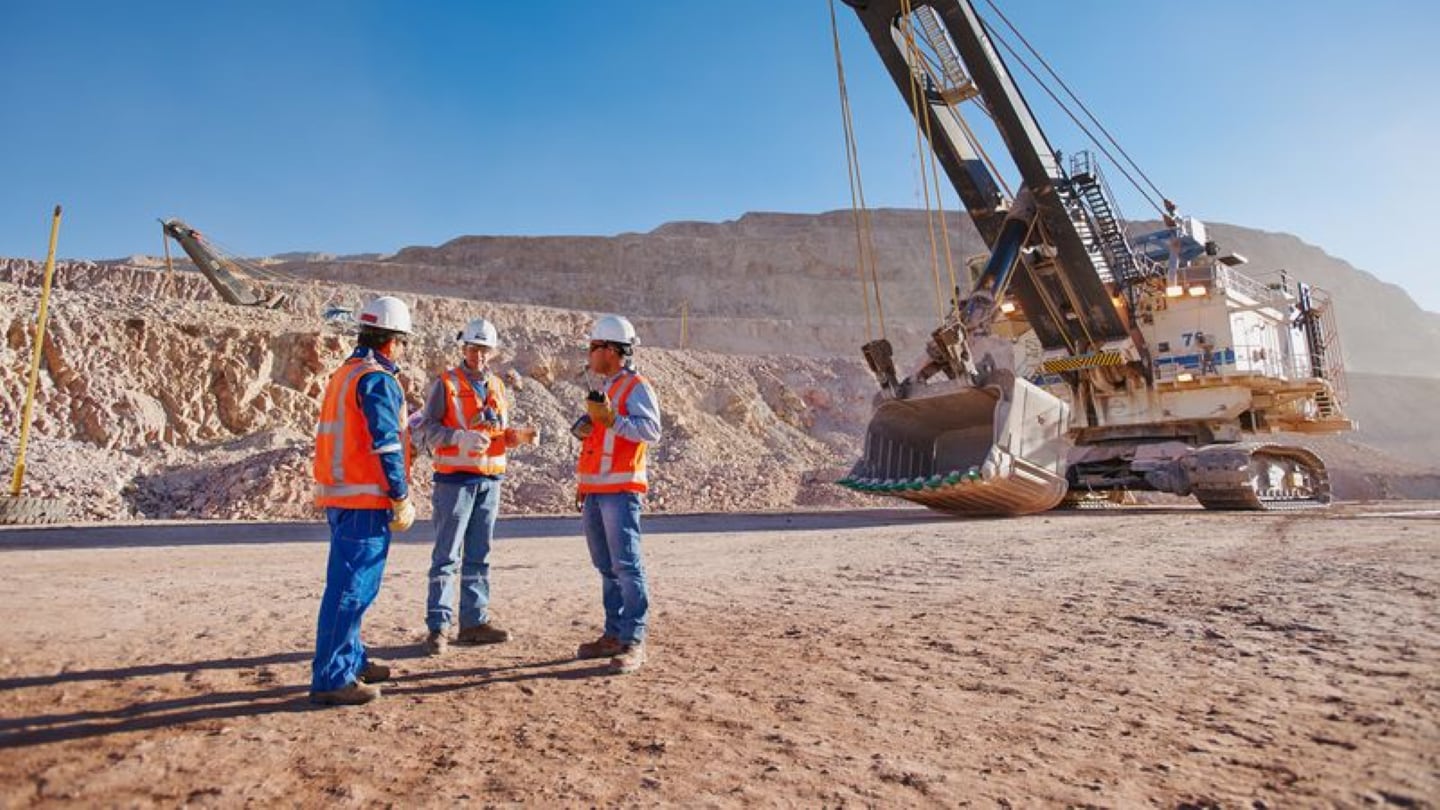
BHP maintains a suite of global health and safety policies, standards, procedures and specifications that define minimum requirements for managing material occupational health and safety risks across our operated assets. They apply to employees and contractors under BHPs operational control, supporting a consistent level of protection for all workers, regardless of location, commodity or role.
Oversight of these policies and standards forms part of BHP’s governance framework, with their implementation and effectiveness monitored through internal audits, management reviews and, where appropriate, independent external assurance activities.
Risk management
Hazard identification and risk assessment are embedded within BHP’s operational processes. We use a structured approach to identify, assess and control health and safety risks associated with routine and non-routine activities, occupational exposures (refer to health section), changes in operations and emergency situations.
We prioritise risks with the potential for fatal or life‑altering outcomes. Critical controls are clearly defined, implemented and verified with performance monitored through routine inspections, audits and leadership engagements.
Incidents, near misses and hazardous conditions are reported and investigated to understand contributing factors, and organisational conditions and issues. Learnings are shared across the organisation and corrective actions are tracked to ensure risks are effectively managed.
We also collaborate across industry and high‑risk sectors, including through our support of the International Council on Mining and Metals (ICMM), to advance practical solutions such as reducing diesel particulate matter emissions and eliminating fatalities, including in relation to vehicle‑related risks.
Performance and disclosures
We believe that measuring and reporting incidents, including high-potential near misses, is critical to eliminating fatalities. These events can provide important insight into safety risk and the strength and effectiveness of the risk control environment.
While lagging indicators such as recordable injuries remain important, we place greater emphasis on events with the potential for severe outcomes as they can provide deeper learning and greater opportunities for preventing serious harm.
Detailed safety performance data, including fatalities, serious incidents and key indicators, is available in our 2026 Annual Report and 2026 Standards and ESG Databook.
Case studies

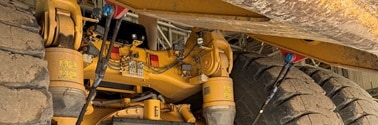
Sustainability case studies, organisational boundary, definitions and disclaimers, and downloads
-
BHP Annual Report 2026pdf

-
Sustainability reporting organisational boundary, definitions and disclaimerspdf
-
Límite organizativo de los informes de sostenibilidad, definiciones y descargos de responsabilidadpdf
-
BHP ESG Standards and Databook 2026xlsx
-
BHP Group Modern Slavery Statement 2026pdf
-
BHP Annual Report 2026, Sustainability Report 7.6 Methodology for calculating Scopes 1, 2 and 3 GHG emissions

-
BHP Climate Transition Action Plan 2024, subject to updates of certain aspects of our assumptions and plans in the BHP Annual Report 2025, Operating and Financial Review 9.8, and BHP Annual Report 2026, Operating and Financial Review 9.10 and Sustainability Reportpdf
-
Global Industry Standard on Tailings Management – Public Disclosure 2026pdf
-
Tailings Storage Facility Policy Statement 2026pdf
-
Case studies