




The electrification of transport: episode three
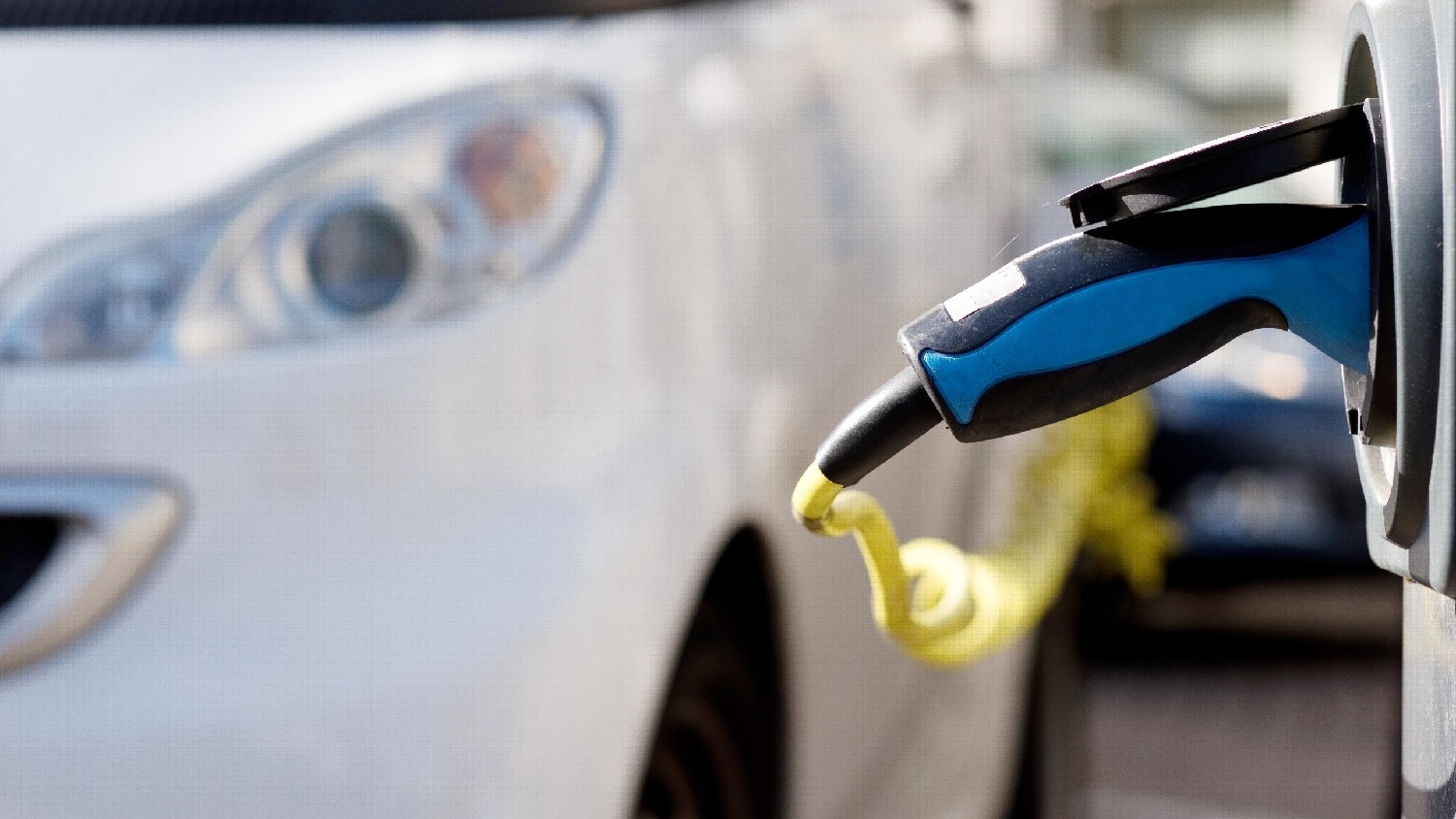
This is the third episode in our Electrification of Transport series. The first episode covered our updated views on the electrification of the light duty vehicle fleet. The second episode zoomed in on the battery chemistries that we expect to lead this change. This episode looks at the outlook for the electrification of medium and heavy duty vehicles – a huge but in our view under-studied element of global oil demand.
Our views on the long run penetration of electric vehicles ( EVs) should now be quite familiar to our readers. We will not recapitulate them here. Instead, we will introduce an adjacent theme in transport demand that also warrants close attention, but is perhaps less well understood. How do we expect electrification to impact upon medium and heavy duty road vehicles (MHDVs)?
First, a few round numbers will make it clear why this is a vitally important question. Of the approximately 100 million barrels of oil consumed each day around the world, around 60 million are used in transport, around 46 million of which are used on the road1, with light duty vehicles (LDVs) taking around 28 million of those, and MHDVs taking the remaining 18 million. The MHDV figure comfortably exceeds the current oil needs of other key sectoral consumers like aviation, shipping, industry or plastics. It’s a big deal.
Our high case for EV penetration in LDVs in combination with our most aggressive case for internal combustion engine (ICE) fuel efficiency, allied to low case macro assumptions, puts more than half of those 28 million LDV barrels at risk by 2050. That is despite “vehicle miles travelled” (VMT) expanding by around 50 per cent over that period. As an aside, for all of the attention rightly bestowed upon the electrification of transport mega–trend, in the next quarter century the impact on oil demand from more fuel efficient ICE vehicles is projected to be twice as large as the impact of EV disruption.
Related Content


