




Monitoring the threatened Pilbara olive python
Updated 18 August 2026
At BHP’s Western Australia Iron Ore (WAIO) operations, a targeted monitoring program is improving understanding of the Pilbara olive python (Liasis olivaceus barroni), a protected sub‑species listed under state and federal legislation and an important apex predator in the Pilbara region. The Pilbara olive python is naturally elusive, spending much of its time sheltering within complex rocky habitats and dense vegetation. This behaviour makes it difficult to detect using conventional survey methods, limiting understanding of its population size, movements and habitat use. To address these gaps, WAIO’s biodiversity team established the regional Pilbara olive python monitoring program.
The monitoring program is delivered through a collaborative approach involving BHP, program consultants Helix Molecular Solutions, Biota Environmental Sciences, and Curtin University’s eDNA Frontiers Laboratory as part of the eDGES program. The program uses a combination of established and innovative monitoring techniques, including radio tracking, environmental DNA (eDNA) sampling, molecular genetic analysis and targeted field surveys.
When pythons are encountered, they are safely measured, weighed and sexed. In some cases, animals are placed under anaesthetic and fitted with very high frequency (VHF) radio transmitters by a qualified wildlife veterinarian in a controlled laboratory setting. All procedures are carried out in accordance with regulatory permits and animal ethics approvals.
After recovering from the procedure, the python is then released at its exact capture location. To date, 70 pythons have been tagged and fitted with VHF radio transmitters across seven sites. This has provided long-term information on their movements, habitat use and seasonal behaviour.
The program also incorporates eDNA sampling from water sources. This method detects traces of genetic material left behind by animals and includes both broad community screening (metabarcoding) and highly sensitive species-specific tests (qPCR).
This work is providing new insights into the species’ brumation (a form of reptile hibernation), as well as its breeding and foraging behaviour. It is also showing how these patterns change across seasons and in response to the Pilbara’s highly variable climate and different habitat types.
Molecular genetic sampling is adding further value by revealing patterns of genetic diversity within and between sites, as well as relationships between individuals within monitored populations.
Importantly, tracking data has allowed detailed documentation of how pythons interact with mining‑related infrastructure, such as dams, water management ponds and lakes, supporting more informed environmental management decisions across WAIO operations.
Data generated through the program is contributing to peer-reviewed scientific publications and supporting doctoral research, helping to expand knowledge of the species across the region.
Insights from this program provide a more complete understanding of the species across behavioural, seasonal and environmental conditions. This integrated approach supports effective management by improving the evidence base used to anticipate, assess and respond to potential impacts on a threatened species in the Pilbara’s highly variable environment.
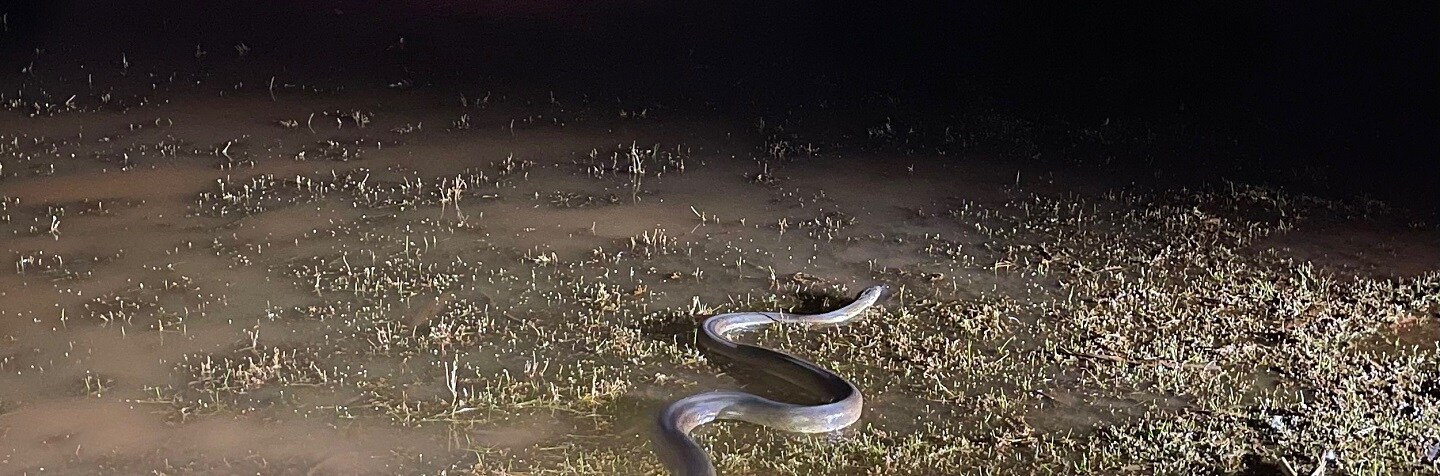
Banner image supplied by Biota
Related Content


