




Cool change for hot seating
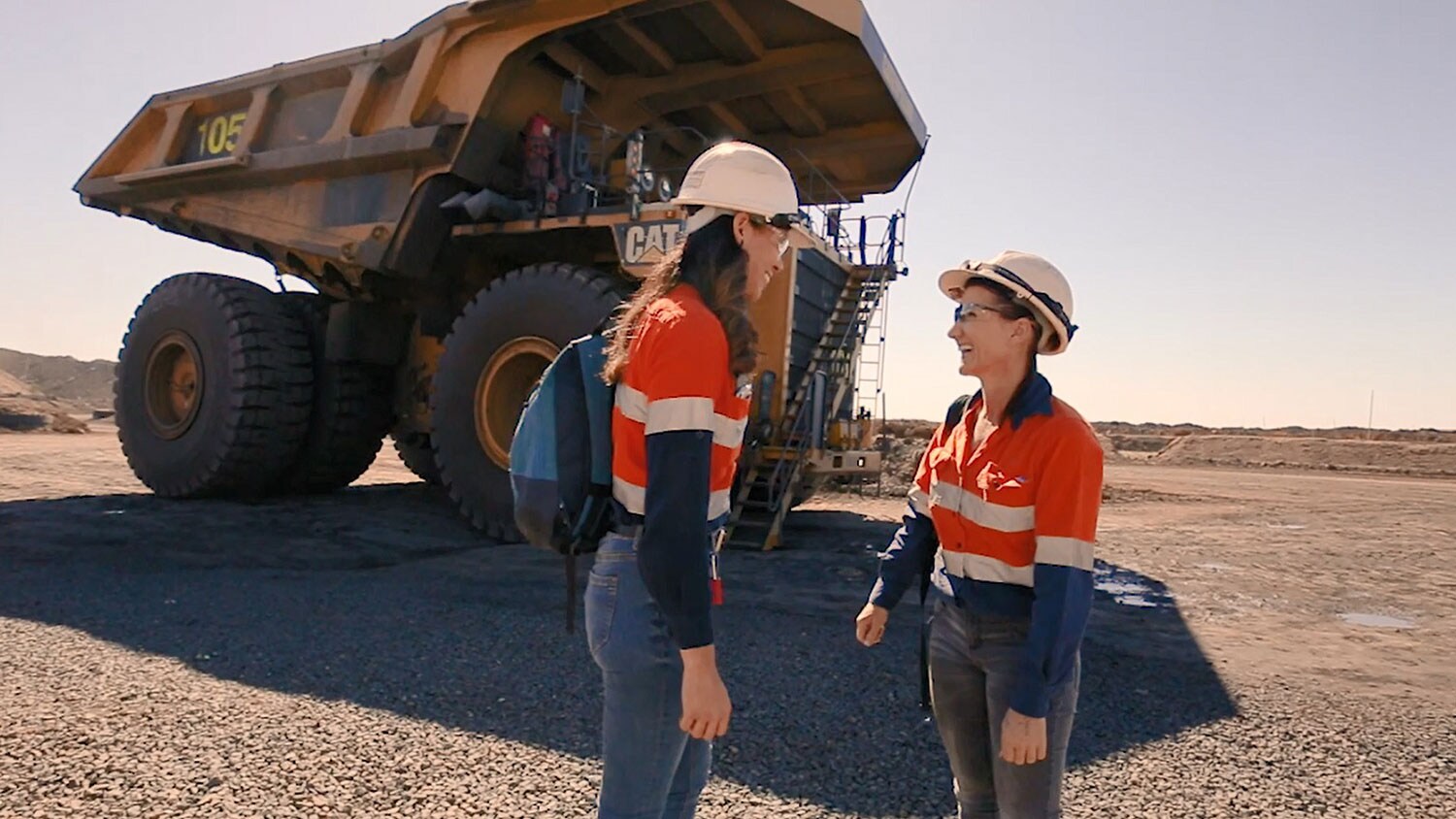

The ‘local crib relief’ program at the BHP Mitsubishi Alliance (BMA) Saraji coal mine in Dysart, Queensland is a great illustration of how thinking inclusively can deliver for a workplace, business and local community.
By engaging closely with a prominent community group, we were able to unlock the local talent pool and create a more diverse and flexible workforce. This has led to sizeable cost savings and efficiency gains, and provided a welcome boost to the local economy. It is a happier and safer place to work now too.
The program relates to the fleet of trucks at Saraji that run continuously to remove the soil and rock (called the overburden) above the metallurgical coal. This requires a team of relief truck drivers to ‘hot-seat’ while drivers have scheduled meal breaks – this is called ‘crib relief’; a ‘crib’ being a meal break.
Traditionally, relief drivers were brought in from outside the local area and worked a full shift. We were asked to find a better solution that was locally focused.
The change came about through an idea that was as simple as it was effective. It involved reducing the shift length and better aligning shifts with school hours. Early on, we began consultation with the local Women in Mining forum and this proved a hugely important driver behind the program’s eventual success.
This engagement helped in spreading the intent of the program and in structuring it to fit around what the community wanted, so it could be successful and sustainable. It also raised considerable awareness – so much so that when the program was launched, we were inundated with over 120 applications.
Related Content


