




Advancing the circular economy in Queensland’s resource sector
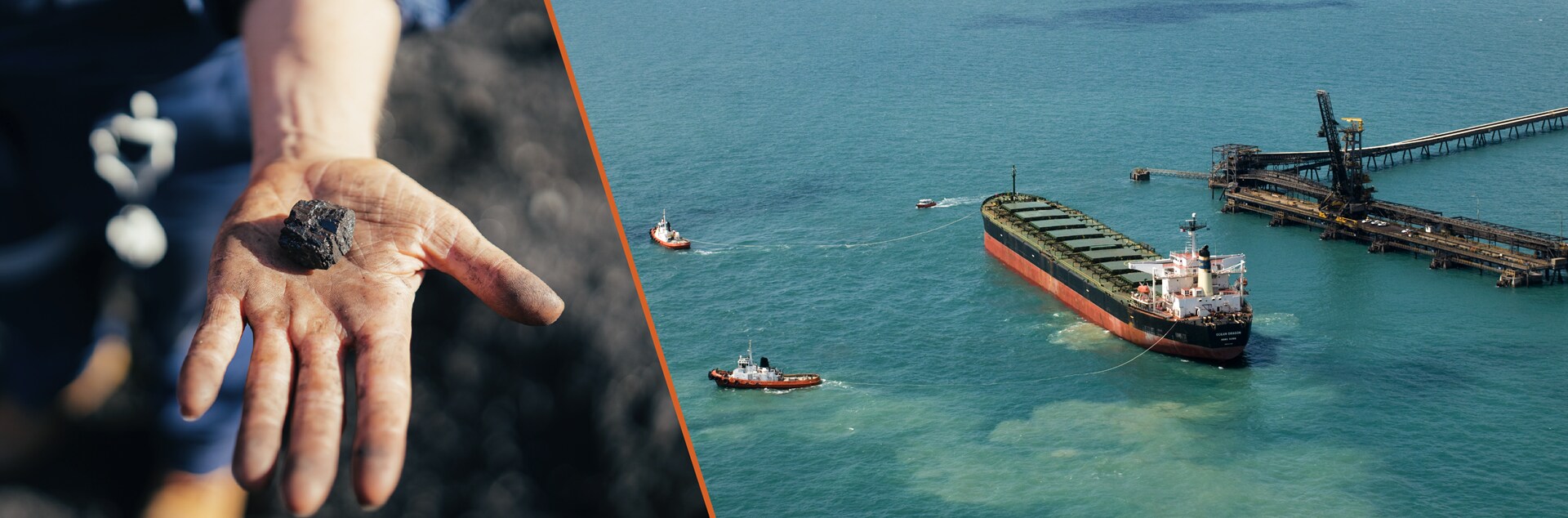
The Pit to Port Resource Circularity Project was a time‑bound pilot initiative designed to explore how circular economy principles could be applied across a mine‑to‑export value chain in Queensland. In a mining context, a circular approach focuses on retaining value in materials for as long as possible, including through improved recovery, reuse and repurposing of by‑products, rather than treating them as waste. This is intended to help reduce material losses, improve resource efficiency and identify potential opportunities for new value streams across operations and regions.
The pilot focused on understanding material flows and circular opportunities associated with BHP Mitsubishi Alliance’s (BMA) Caval Ridge Mine and Hay Point Coal Terminal, and to test whether these insights could inform broader, region‑scale collaboration. For BMA, this provided an opportunity to better understand how materials move through its operations and where there may be opportunities for additional value capture through improved recovery or coordination beyond individual sites.
The project was initiated by the Resources Centre of Excellence (RCoE) ‒ an independent external innovation hub based in Mackay ‒ in collaboration with BMA and circular economy specialists, Coreo and Metabolic. BMA’s involvement supported the pilot phase by providing an operational context and site‑specific data for selected analyses, while RCoE led the work program and regional engagement activities.
The pilot explored how materials move through the regional mining and logistics system using a combination of quantitative and qualitative methods. This included mapping material flows, engaging with stakeholders and identifying areas where circular approaches could have the greatest potential impact. Through this process, 44 potential circular initiatives were identified and assessed across environmental, economic, social and cultural dimensions.
As a result of the project findings, the Bowen Basin Circular Consortium, led by the RCOE, was established. It brings together stakeholders from government, industry, education, research, peak bodies and community organisations. While BMA is not a member of the consortium, it continues to support the RCoE, which plays a central role in convening and delivering the program.
Building on the pilot findings, the Bowen Basin Circularity Program has progressed several priority initiatives, including:
- Full value realisation of metallurgical coal tailings – A regional assessment of tailings recovery opportunities, informed by site‑specific data from the BMA Pit to Port pilot and aggregated Bowen Basin datasets.
- Tungsten circularity mapping – Region‑wide lifecycle analysis of tungsten‑containing products, using aggregated data and stakeholder insights to identify improvement opportunities.
- Multi-mine circular resource recovery facility – A feasibility study for a shared facility to recover materials from mine sites, based on combined regional data and cost analysis.
These initiatives respond to a common challenge in the resources sector, where materials are often managed at an individual site level and potential value in by‑products or waste streams is not always realised at a regional scale. Circular approaches seek to address this by improving visibility of material flows, identifying opportunities for recovery and reuse, and enabling coordination across operations and value chains.
More broadly, the Pit to Port pilot demonstrates how a focused site-based project can help identify opportunities for broader collaboration and capability‑building, supporting the evolution of more coordinated and resource‑efficient approaches across Queensland’s resources sector.
Related Content


