




Contribute to a healthy environment for all
Our environmental performance and contribution to restoring a healthy environment for all, will help build a better world and a more sustainable future for BHP.
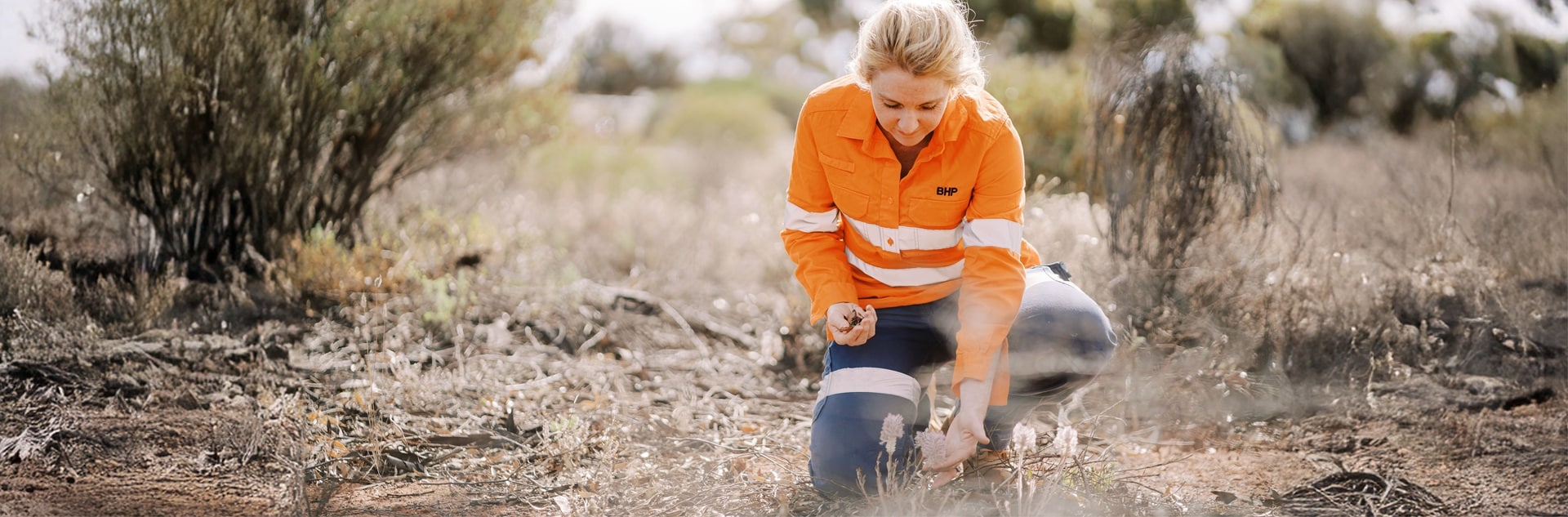
A healthy environment means the natural world around us is balanced and resilient. The world must achieve this to support biodiversity, people and economies into the future.
It is our role to be environmentally responsible, show care, and seek to contribute to the restoration of a healthy environment – producing our commodities in the most effective way, while avoiding or minimising adverse impacts to the ecosystem services we all depend on. These services include clean water, a stable climate and cultural connections that enhance our way of life.
Contribute to a healthy environment for all
$name
$name
$name



Hypothetical scenarios
Q: Our waste is disposed off-site by a licensed waste facility that is audited by our regulators. Do I also have to review their performance?
A: Yes, you should review the performance of all suppliers to ensure they manage their environmental performance appropriately. Direct, indirect and cumulative environmental impacts and their associated risks and controls need to be assessed by BHP. This includes environmental impacts associated with our direct operational activities, impacts from others as a result of activities on which our operations rely and impacts from others that may increase the severity of our own impacts.
Q: When it rains, I have noticed overflows of water from site to a neighbouring creek. What should I do?
A: Report the issue as an event, seek advice from your site environmental personnel and make operations aware of the issue. An investigation will need to occur to determine whether there are any potential impacts from the overflow to the creek or surrounding environment. Reporting the issue as an event will also ensure any regulatory agencies are notified if appropriate, an analysis of the incident, root causes, preventative actions and learnings are disseminated, and any required corrective actions can be completed.
Q: I notice the way we are doing our work has the potential for dust emissions and other environmental impacts. I think there is a better way of doing it that could result in lower emissions. What should I do?
A: We are always looking to minimise adverse environmental impacts and maximise opportunities for positive environmental outcomes from our activities so raise your suggestions with your line leader or 2Up leader. You can also check with the site’s environmental team that your suggestions are in line with regulatory permits.
View more Hypothetical Scenarios
Download Our Code
Download Our Code
-
Our Code - Englishpdf

-
Our Code Glossary - Englishpdf
-
Our Code Scenarios - Englishpdf
-
Our Code - Spanishpdf
-
Our Code Glossary - Spanishpdf
-
Our Code Scenarios - Spanishpdf
-
Our Code - Portuguesepdf
-
Our Code Glossary - Portuguesepdf
-
Our Code Scenarios - Portuguesepdf
-
Our Code - Chinesepdf
-
Our Code Glossary - Chinesepdf
-
Our Code Scenario - Chinesepdf
-
Our Code - Malaysianpdf
-
Our Code Glossary - Malaysianpdf
-
Our Code Scenarios - Malaysianpdf