



Collaborating to drive tailings best practice
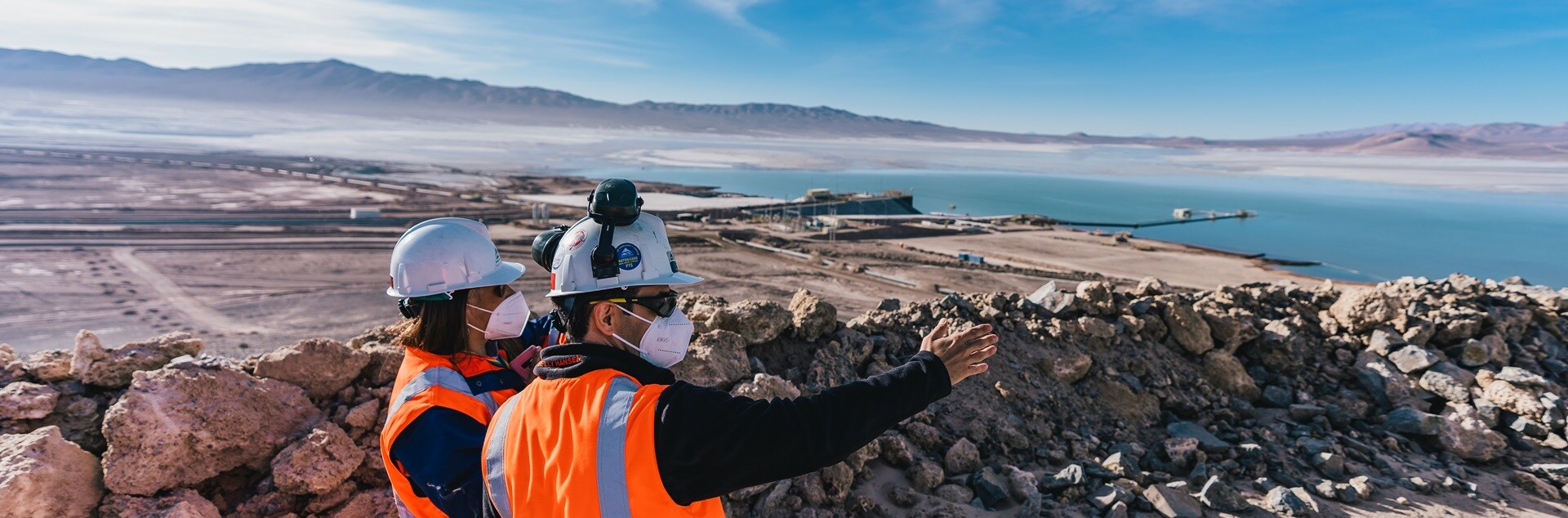
In partnership with Rio Tinto, we have formed a Tailings Management Consortium (TMC) to develop solutions for sustainably improving tailings dewatering and management. This work has the potential to reduce the safety risks and environmental footprints associated with tailings storage facilities.
We’re committed to sharing what we’ve learned with industry and working together to build capability. We’ve published the documents below to support industry progress in tailings dewatering, and we welcome feedback to help continuously improve our approach.
Tailings Management Consortium publications
- Filtered Stacked Tailings: A Guide for Study Managers
This document provides guidance to project study managers who are evaluating filtered tailings systems. It summarises the study methodology, shares practical insights, and explains how these lessons can inform and improve filtered tailings studies.
Download the Study Guide.
- Unlocking Large Tonnage Filtered Tailings Stacks: A Geotechnical Perspective
This white paper presents a forward-looking geotechnical framework to enable the safe, stable and cost-effective deployment of large-tonnage filtered-tailings stacks – a potential game changer in reducing filtered tailings management capital and operating costs. It outlines key geotechnical knowledge gaps and proposes new ways to consider compaction techniques to achieve the required densities for large-scale operations.
Download the White Paper.
We invite comments and feedback: admin@TMConsortium.com
About the Tailings Management Consortium partnership
The TMC was first established in 2022 to accelerate technologies and practices to increase water recovery from mine tailings, focused on high volume, filtered-tailings solutions.
In 2023, the TMC signed a new agreement that expanded its focus from a single pilot of large volume filtration to developing a portfolio of technologies that could significantly advance tailings dewatering.
Bringing their expertise and operational experience, both member companies collaborate with technology and equipment providers, technical experts, research groups and the academic sector to identify new dewatering and tailings management opportunities.
Key learnings
- We’ve proven dewatering equipment works at scale, but still need to solve economic hurdles and high tonnage adoption for material handling and stacking.
- Unlocking thick-lift compaction and optimising placement could drastically reduce costs for large-scale operations.
- Upstream processing variables such as grind size and mineralogy will impact dewatering circuits. More work is needed to define process flow sheets that can provide a consistent feed to dewatering circuits and potentially reduce tailings volumes.
- Tailings management is non-competitive, and the sector shares a passion to improve. Sharing our findings and expertise will help to improve the mining industry.
Related Content


