




Tailings Management Consortium
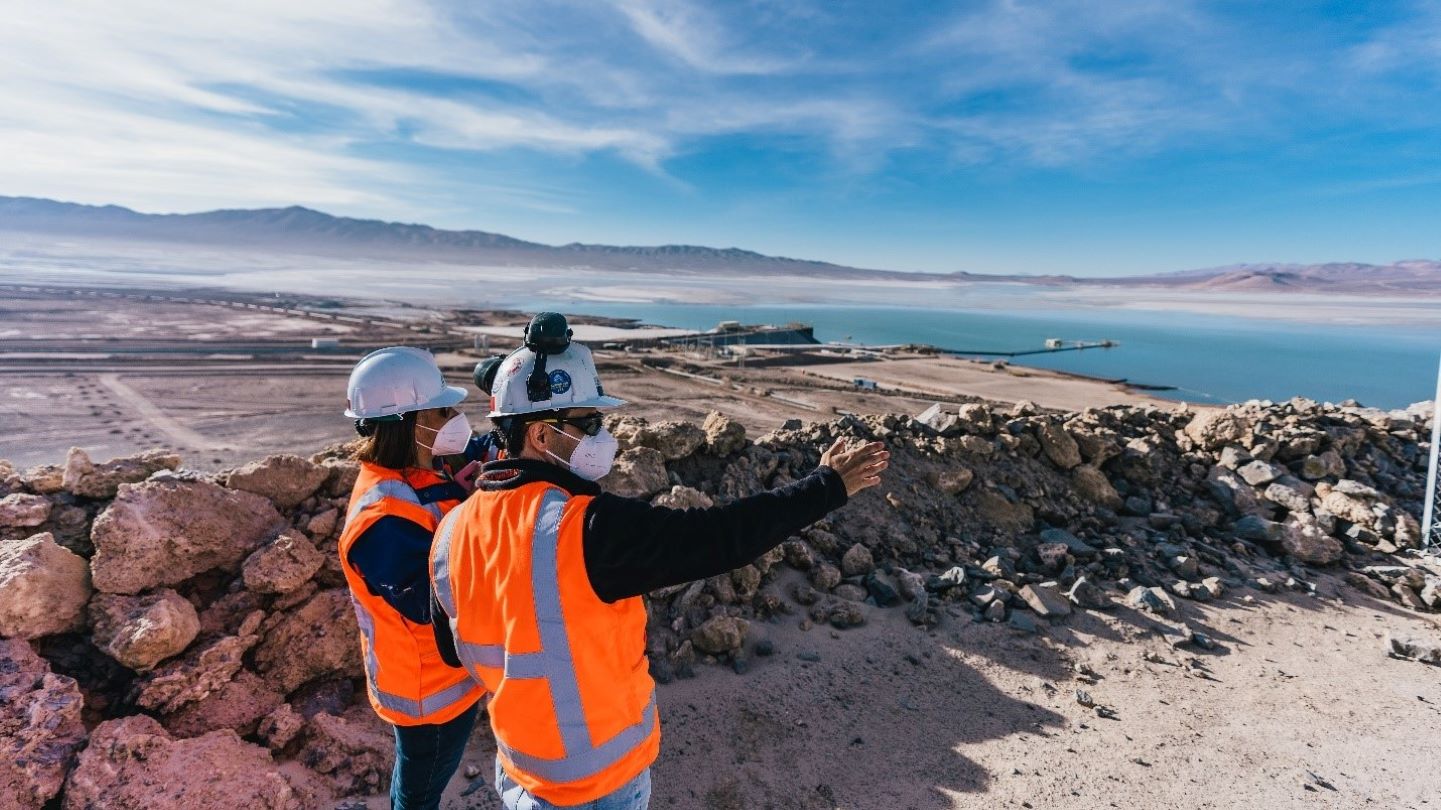
In 2022, BHP and Rio Tinto entered into an agreement to create a Tailings Research and Development Consortium (the Consortium) with the aim of identifying and accelerating the development and market availability of tailings processing and treatment methods that could improve processing efficiency, tailings stability, safety and environmental performance. This is with a view to:
- reducing risk associated with filtered tailings systems
- mitigating environmental impacts, such as through a reduction in water demand and optimisation of water resources
- facilitating the availability of alternatives for high volume filtering or dewatering of tailings.
An open call was issued in 2023 and since then, the Consortium has been assessing technologies suitable for further development: tailingsopencall.com
In addition to technology development and process trials, the Consortium has produced a guidance document and a white paper to facilitate the adoption and improvement of existing technologies, as described below.
Filtered Tailings Stack Guide for Study Managers
This document provides guidance to project study managers for evaluating filtered tailings systems with the aim of storing the resultant cake in a geotechnically stable stack. It is designed to help them assess the end-to-end process, and to develop appropriate objectives over the lifecycle of the operation. It is hoped that this will unlock more value in how alternatives are assessed and developed as studies progress, noting that the experience of many project study managers in the mining industry may presently be limited to conventional, rather than filtered, tailings.
Download the Study Guide.
Comments and feedback are welcome: admin@TMConsortium.com
White Paper1: Unlocking Large Tonnage Filtered Tailings Stacks
This white paper presents a forward-looking geotechnical framework to accelerate the safe, stable and cost-effective deployment of large tonnage filtered tailings stacks – a potentially significant improvement in reducing risks associated with management of tailings.
Filtered tailings offer an additional option for long-term tailings management. However, scaling this technology to large tonnage applications presents considerable technical and economic challenges. The paper sets the geotechnical context for these challenges and explores the potential of thick-lift placement combined with high-energy impact compaction to improve the feasibility and cost-effectiveness of filtered tailings stacks.
The paper identifies key geotechnical knowledge gaps, including the lack of field validation for thick-lift compaction techniques for tailings, and calls for industry trials to evaluate and refine thick-lift compaction and quality assurance and control methods. By addressing these gaps, the Consortium envisions the increased, safe implementation of large-scale filtered tailings stacks that offer lower long-term risk and environmental impact compared to conventional tailings disposal.
Download the White Paper.
Please send your comments and contributions to: admin@TMConsortium.com
1 White papers are typically persuasive, strategic or explanatory reports that set out a problem, provide background information and evaluate options. They often propose a preferred approach or solution, or may seek input on potential solutions.
Related Content


