




Redefining safety and inclusion through automation at Olympic Dam

Cathode stripping involves removing sheets of 99.999 per cent pure copper from large stainless-steel plates following the refining process. Historically, this work relied heavily on manual handling, with operators using large, heavy bars to dislodge copper sheets and 80 kg plates. The process exposed workers to daily crush injury risks, line-of-fire hazards and significant physical strain, resulting in multiple serious injuries over the life of the previous cathode stripping machine. The physically demanding nature of the work also limited workforce accessibility and inclusivity.
Rather than accepting these risks as part of the job, the Olympic Dam Production Refinery team challenged conventional ways of working and asked how technology could remove the hazards altogether. The result was the development of a fully enclosed Robotic Cathode Stripping Machine (RCSM), which automates the stripping process and removes the need for operators to work directly within the hazardous operating environment.
Unlike traditional equipment improvement projects, which can be developed largely within engineering or project teams, the RCSM was designed through close collaboration between frontline operators, maintenance teams, engineers and project partners. By combining operational experience with technical expertise from the outset, the team was able to identify risks, challenge existing practices and design a solution that better met the needs of both the operation and workforce.
The RCSM has eliminated operators' daily exposure to hazardous manual handling tasks, improved equipment reliability and reduced downtime caused by copper jams. Importantly, it has also improved the quality and consistency of the work while creating a safer and more accessible operating environment. The removal of physically demanding tasks has broadened participation in operator roles, contributing to a more inclusive workforce with strong female representation among qualified operators. In contrast to a single female operator being signed off during the previous five years of operation, the current team of qualified operators now includes 12 females.
Automation has enabled safe and inclusive production at the Olympic Dam Refinery
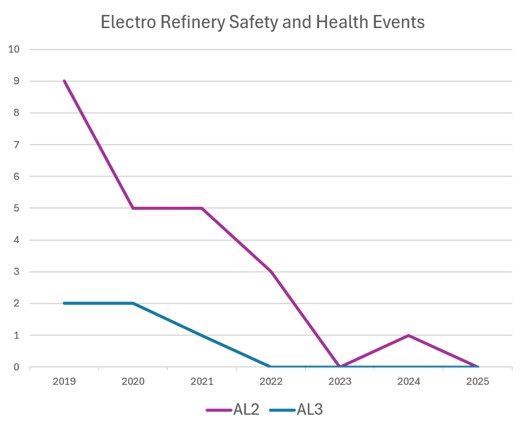
Figure 1: Automating has significantly reduced the number of injuries associated with stripping copper cathode at the Olympic Dam Refinery
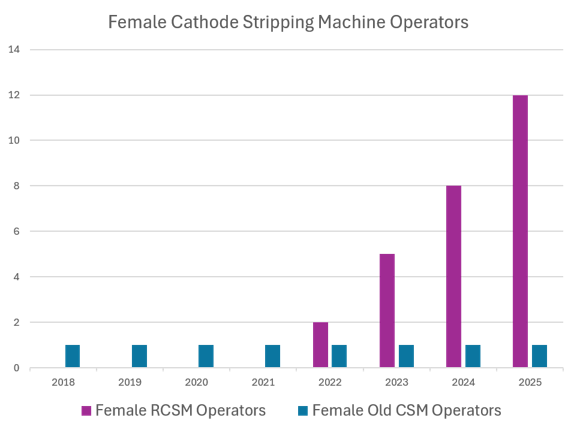
Figure 2: Automation of the copper cathode stripping process has improved inclusivity in the Olympic Dam Refinery workforce
Olympic Dam's Robotic Cathode Stripping Machine demonstrates how BHP is leveraging technology to remove risk at the source, improve the quality of work and create safer, more accessible workplaces. It also highlights the value of cross-functional collaboration in delivering stronger safety, operational and workforce outcomes than could have been achieved through traditional development approaches.
Related Content


