




Advancing methane management in open-cut coal mining
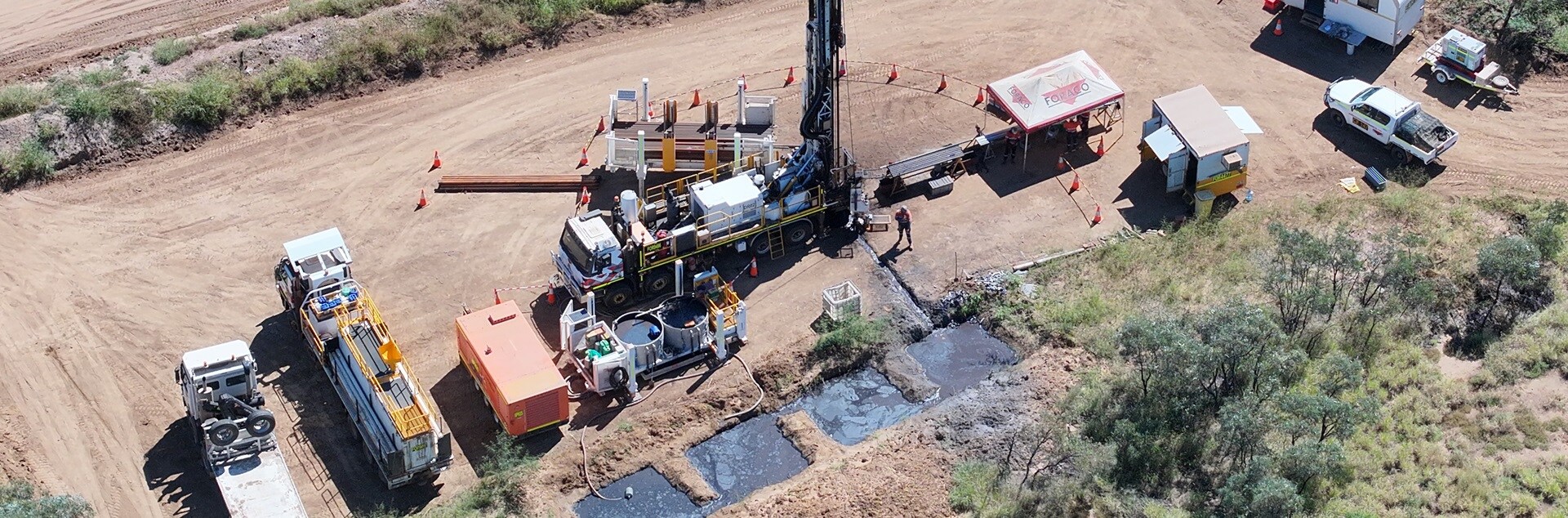
BHP Mitsubishi Coal (BMA), in collaboration with BHP’s Operational Decarbonisation team, is taking practical steps to better understand and manage fugitive methane emissions in open-cut coal mining – an area where solutions are still under development. BMA has one of the lowest greenhouse gas (GHG) emissions intensity footprints among its global coal competitors. The asset continues to pursue opportunities to enhance its understanding and management of methane emissions. BMA’s methane management program includes a detailed methane management study, a substantive drilling program specifically targeting fugitive methane knowledge, and an industry-leading open-cut mining gas drainage proof-of-concept trial at Saraji mine. Together, these initiatives are shaping a future methane management strategy for BMA.
Understanding fugitive methane in open-cut mining
Methane is released during coal mining, including in open‑cut operations where large areas of coal seam are exposed over relatively short periods of time. These environments evolve rapidly as mining progresses and so the industry has limited practical experience in how to capture methane in a way that closely aligns gas drainage with the timing and location of coal exposure and extraction (when emissions are measured and publicly reported).
Building our understanding and approach
BMA’s approach to fugitive methane emissions management focuses on improving understanding of the methane gas profile of coal seams in parallel with advancing practical opportunities to reduce emissions. Key initiatives include:
- Methane management study: a structured assessment to identify and evaluate available and emerging options for methane extraction and abatement, with a strong focus on open‑cut mining environments.
- Gas resource and reservoir studies: a drilling and analysis program across BMA operations to improve understanding of methane within coal seams, strengthen gas resource models and assess opportunities to drain methane from open‑cut mines ahead of mining.
- Open-cut mining gas drainage trial: a pre-drainage trial at Saraji mine testing a faster, more cost-effective way to extract methane ahead of mining. The trial is designed to better align when and where methane is captured with when coal seams are exposed and mined, improving the ability to align recognition and credit of methane abatement under national greenhouse gas reporting requirements.
The effectiveness of methane drainage in open‑cut mines varies and depends on a range of technical and operational factors. In some open‑cut coal mines, methane levels are very low, meaning conventional drainage is not effective and emerging technologies may be required to reduce emissions. Given these technological and operational constraints, our approach does not assume that all fugitive methane emissions can be fully abated.
Looking ahead
Insights from the methane management study, gas resource and reservoir studies, and the open-cut mining gas drainage trial will inform a site‑specific methane management strategy, outlining pathways to manage fugitive methane emissions under a range of future operating scenarios and supporting BMA’s broader decarbonisation objectives.
Related Content


