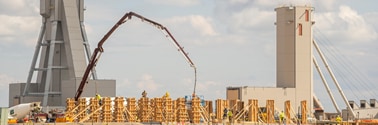


Jansen potash project
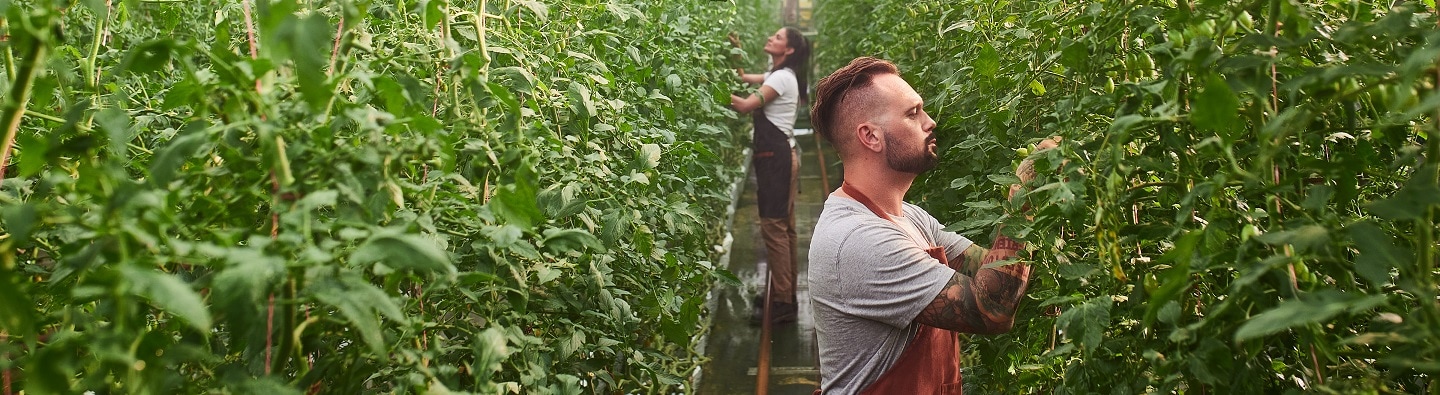
Jansen is helping feed the future, supplying the potash the world needs to support food production for generations to come.
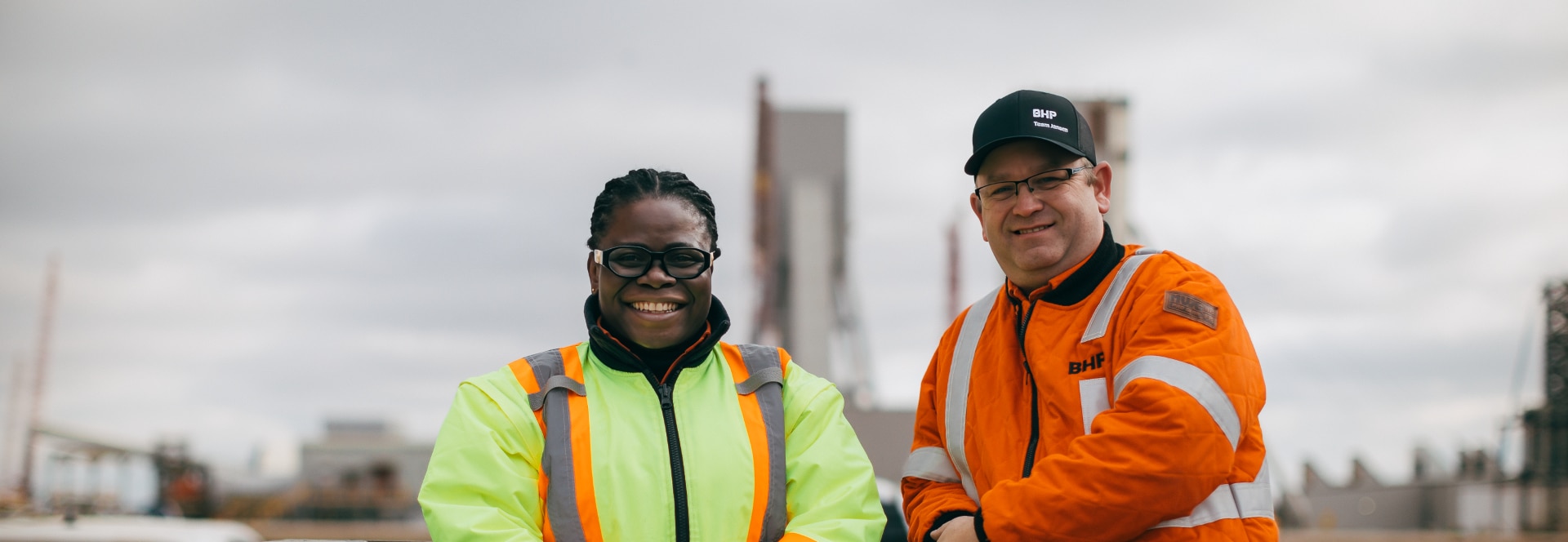
Located in Saskatchewan, Canada, production at Jansen is expected to begin in mid-CY2027. Once fully ramped up, Jansen will become one of the world's largest potash mines, producing approximately 8.5 million tonnes per annum (Mtpa).

Positioned for growth
Jansen’s large resource endowment provides the opportunity to develop it in stages, with the potential for Jansen to produce 16 to 17 million tonnes of potash a year.
About Jansen

Careers at Jansen
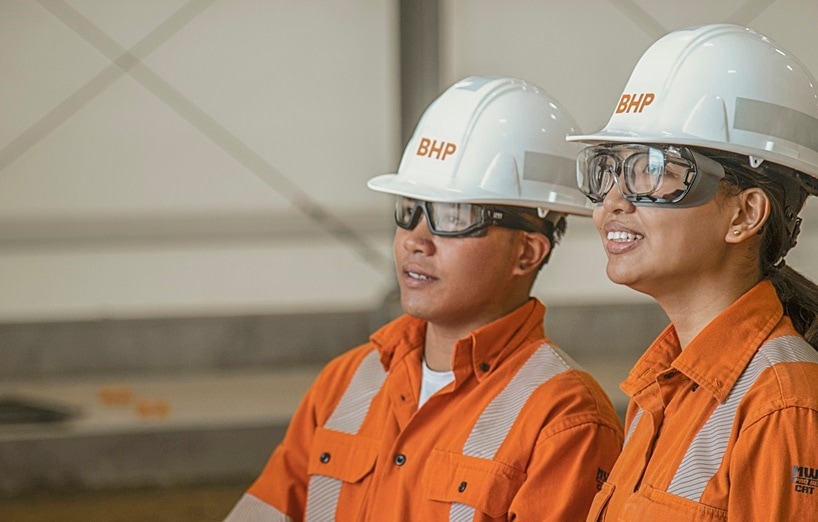
We are building an operational workforce that reflects the communities we’re part of. This includes maintaining a gender balanced2 workforce and achieving our target of 20 per cent Indigenous employee participation at Jansen by FY2026.
Visit our careers website to explore career opportunities with Potash in Canada.
Jansen creates business opportunities for local and Indigenous companies, as well as jobs for the province. Diversity and inclusion are central to building the project’s workforce, which will be approximately 5,500 workers during project construction.
You can see a list of our contract partners here
With respect and gratitude, we operate in Treaty 4, 6, 19 territory and on the traditional, ancestral, and unceded territories of Coast Salish peoples and the homeland of the Métis.
Footnotes:
1 Compared to the average potash mine in Saskatchewan.
2 We define gender balance as a minimum 40 per cent women and 40 per cent men in line with the definitions used by entities such as the International Labour Organization.