




Explainer: Why fertiliser is essential to global food security
BHP Insights: Potash series
Summary
- Fertilisers are essential for global food security because they replenish nutrients in the soil, helping farmers produce enough food for a growing population.
- Investment in new sources of potash, including BHP’s Jansen project in Canada, will strengthen fertiliser supply chains and support long-term global food production.
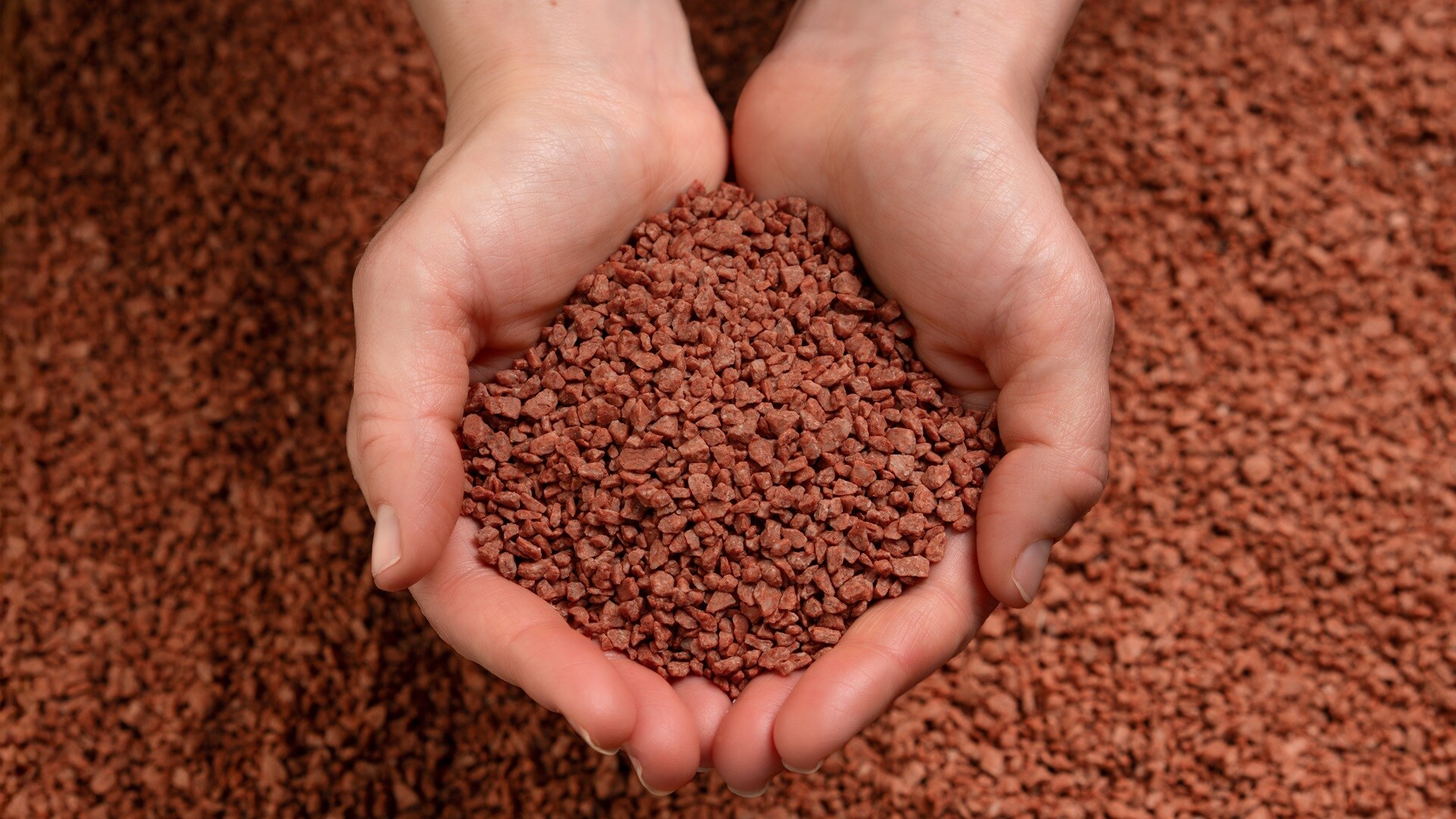
Fertilisers are the unsung heroes of global food production. By replenishing nutrients in the soil, mineral-rich fertilisers such as potash help farmers grow healthier crops with higher yields and produce the food we need to feed the world’s population.
Ensuring farmers have access to reliable and affordable fertilisers is a strategic priority for nations around the world. This is one of the reasons BHP is investing in new potash production at our Jansen project in Canada, to help diversify global supply and support more resilient food production over the long term.
The challenges that the world’s farmers face are likely to intensify.1,2
A complex array of factors – including increasing urbanisation and industrialisation, climate change, water scarcity and land degradation – is reducing the area of arable land and the productivity of the agricultural land that remains available to farmers.3 To meet future food needs, the world must maintain productive farmland and ensure farmers have reliable access to the nutrients their crops need.
Why can’t farmers just plant more crops?
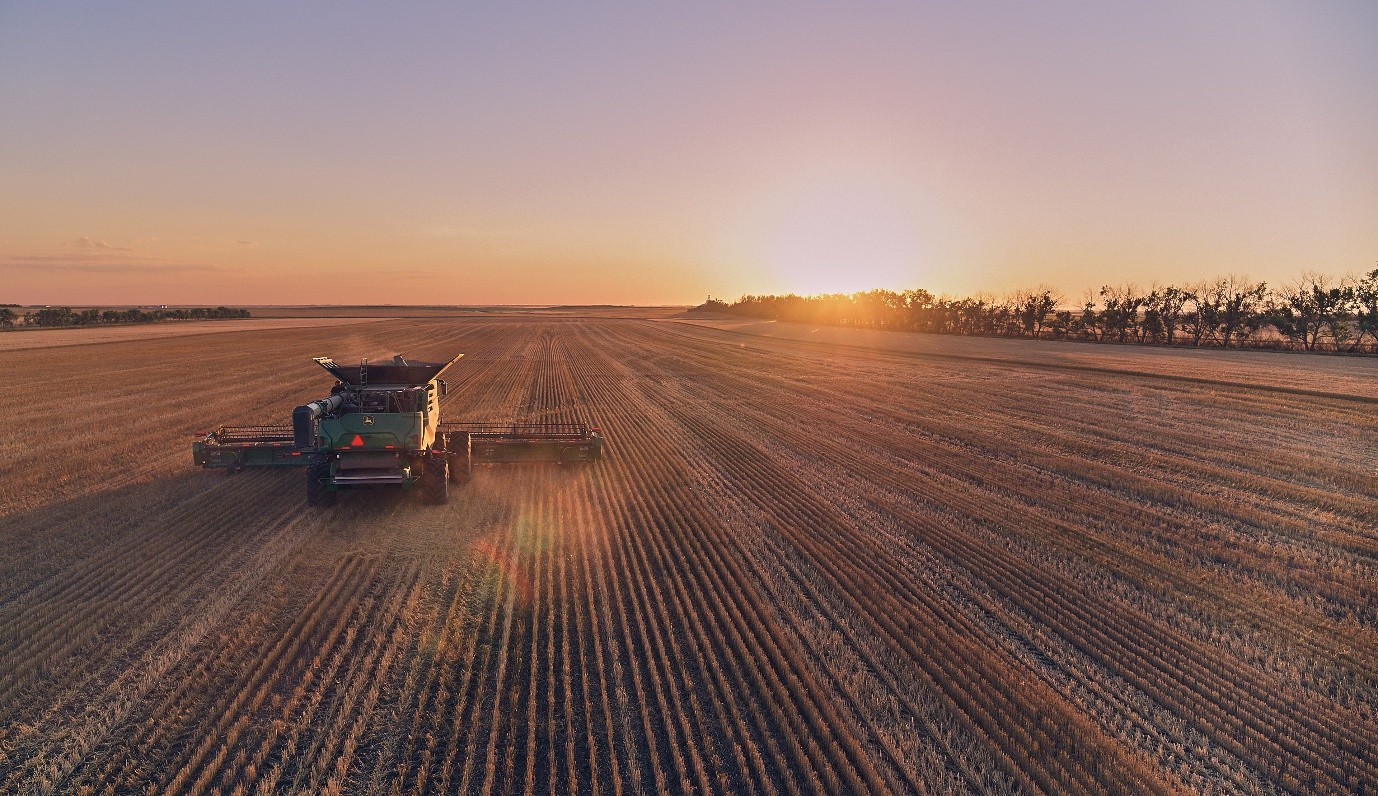
Even though demand for food is rising, farmers can’t simply grow more crops on the same land. Each harvest removes important nutrients from the soil, reducing its fertility and limiting future crop yields. To keep farmland productive, farmers must replenish those nutrients.
As they grow, crops absorb essential elements such as nitrogen, phosphorus and potassium from the ground. When they are harvested, the nutrients they contain leave the ground too. Over successive growing seasons, this natural process depletes the soil of nutrients to support future harvests.
For instance, analysis by the Food and Agriculture Organization suggests potassium depletion is becoming a growing challenge in many agricultural regions.4 The organisation's Crop Nutrient Budget shows that global potassium balances are increasingly in deficit, meaning more potassium is being removed from soils than is being replaced. As potassium deficits grow, farmers need to replenish soil fertility to maintain crop yields.
For centuries, farmers have used organic fertilisers such as manure and compost to restore nutrients and sustain food production. As agriculture has become more intensive and commercialised, growers have looked for new ways to replace lost nutrients and improve yields. Today, farmers worldwide use mineral-based inorganic fertilisers to maintain soil health, support crop production and produce more food from the same land.5
How do fertilisers work?
Fertilisers restore the nutrients in soil that are lost through farming, helping to maintain soil fertility and allowing farmers to continue producing healthy, high-yielding crops.
The three main nutrients that plants need are nitrogen, phosphorus and potassium. They play distinct but complementary roles in helping plants grow and promoting higher yields.6
- Nitrogen is found in plant cells, proteins and hormones. It is essential for vigorous leaf and stem growth.
- Phosphorus helps transfer energy from sunlight to plants, encourages root and plant growth and accelerates maturity.
- Potassium, which is found in potash fertilisers, improves plant vigour, disease resistance and quality.
If crops lack these nutrients, they become more vulnerable to stressors including pests, diseases, and weather events such as droughts and floods.7
Does the availability of fertiliser affect global food security?
The availability of fertilisers plays an essential role in global food security. To meet the increasing demand for food as the world’s population grows, we will need to maintain a reliable supply of agricultural nutrients.
When farmers have reliable access to fertilisers, they can replenish lost nutrients in the soil, maintain crop yields and produce enough food to meet growing demand. However, when fertiliser becomes scarce, farmers may reduce their use, leading to lower crop yields, higher food prices and growing fears about food security.8
Understandably, many governments are placing greater emphasis on improving the resilience of their supply chains by supporting organic fertiliser production, recycling nutrients and reducing reliance on imported mineral fertilisers.9
How can farmers maintain a reliable fertiliser supply?
As demand for reliable fertiliser grows, expanding new production in politically stable countries such as Canada will play a significant role in improving the resilience and stability of the global fertiliser supply chain. New potash projects are needed to not only meet growing global demand, but also to replace production from existing mines as they become depleted over time.
As of 2024, Canada was the world’s largest potash producer, accounting for 32.8 per cent of global production. Canada also has the world’s largest potash reserves,10 which means it is well placed to help meet rising demand.
Expanding production in regions such as Saskatchewan will support a resilient fertiliser supply to help support global food security by ensuring agricultural production can keep pace with growing demand. BHP’s Jansen project will add a significant new source of potash from Canada and help strengthen supply resilience for customers and support farmers around the world.
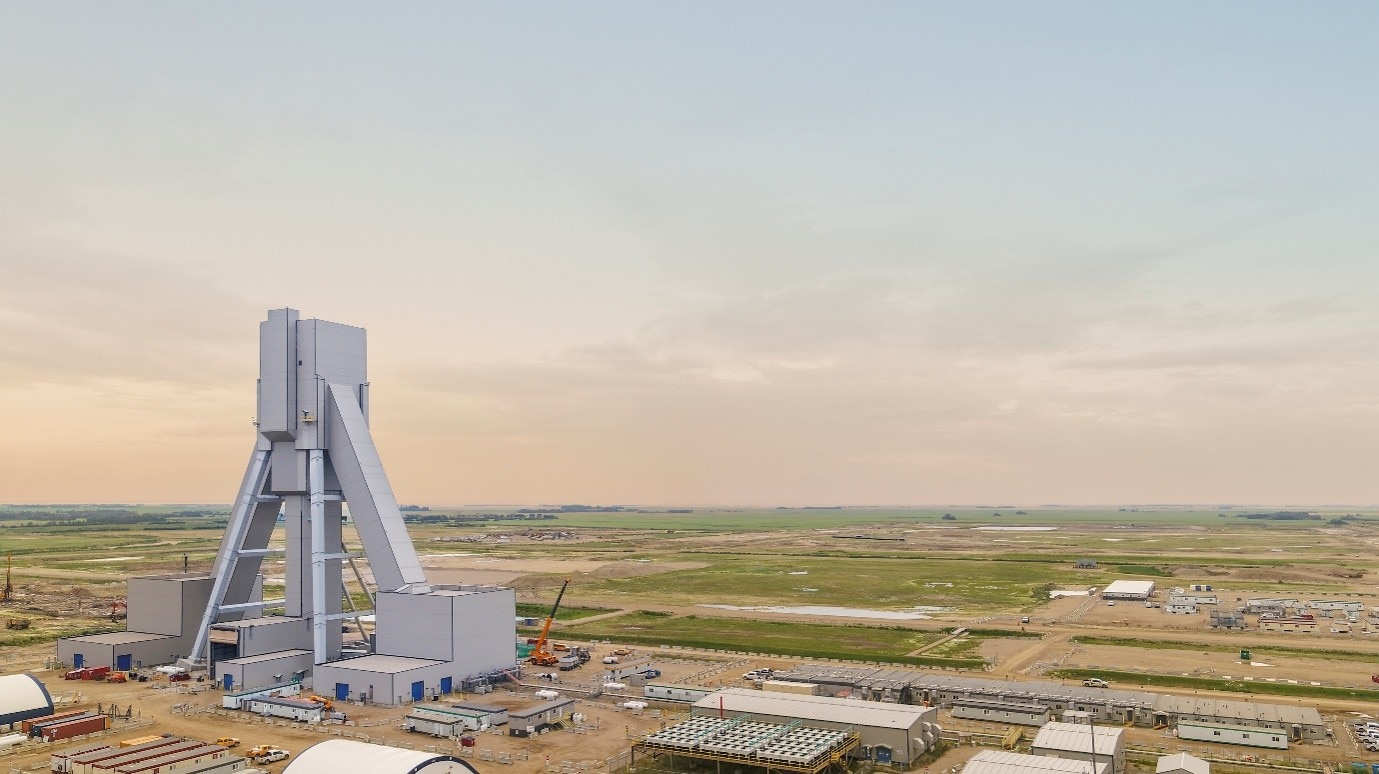
Image: BHP’s Jansen site, Saskatchewan, Canada.
Footnotes
- Nature Food, A meta-analysis of projected global food demand and population at risk of hunger for the period 2010–2050, 21 July 2021.
- Food Security Leadership Council 2025, Our current path: Where we’re headed in the absence of deliberate transformation, 30 July 2025.
- Food and Agriculture Organization of the United Nations (FAO), The State of the World’s Land and Water Resources for Food and Agriculture 2025: The potential to produce more and better, 2025.
- FAO. 2025. Cropland Nutrient Balance. Accessed July 2026. FAOSTAT Cropland Nutrient Balance. Licence: CC-BY-4.0. Balance is all inputs less all outputs.
- Visual Capitalist, Ranked: The Countries That Feed the World, 25 May 2026.
- NSW Department of Primary Industries and Regional Development (DPIRD), Plant nutrients, n.d.
- Visual Capitalist, Ranked: The Countries That Feed the World.
- AgriBusiness Global, Food Security Is National Security: Potash Gets Ready for Its Closeup, 17 September 2025.
- Organisation for Economic Co-operation and Development (OECD) Food, Agriculture and Fisheries Papers, No. 208, Understanding the resilience of fertiliser markets to shocks: An overview of fertiliser policies, 27 June 2024.
- Natural Resources Canada, Potash facts, n.d.
Related Content


