




Operations Services Maintenance Redesign team
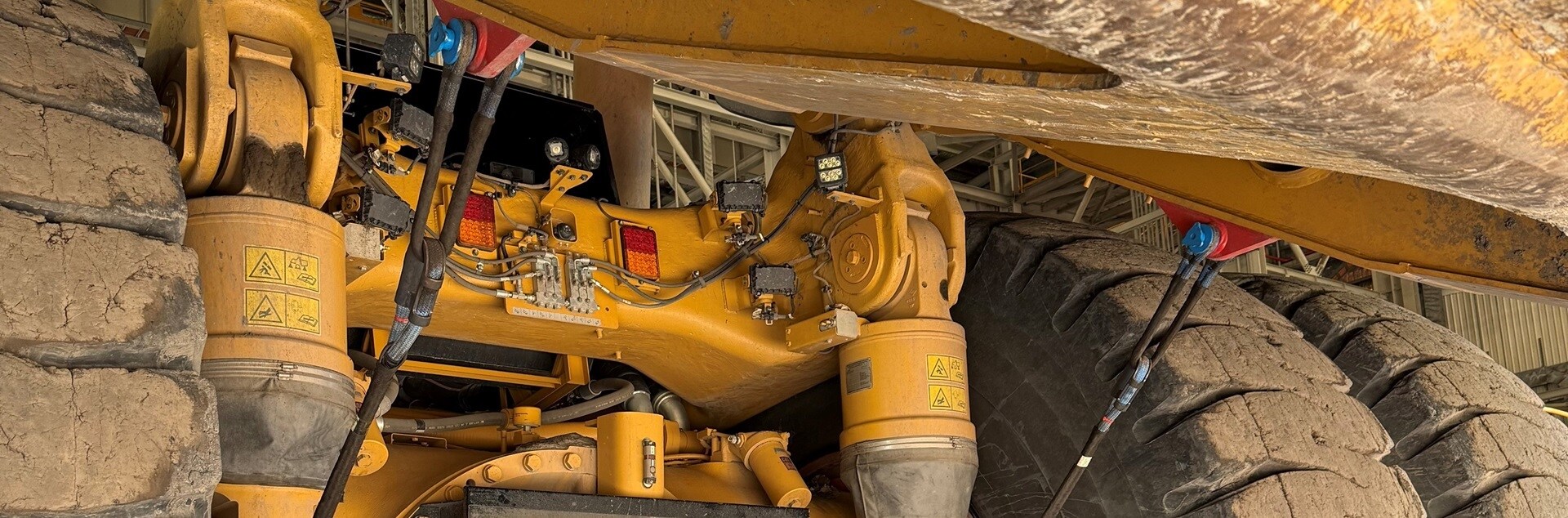
Since its establishment in 2020, the Operations Services (OS) Maintenance Redesign team has worked closely with frontline teams to identify opportunities for improving maintenance activities. Combining trade expertise, health qualifications and industry knowledge, the team applies structured problem-solving techniques aligned with the BHP Operating System (BOS) to deliver practical, scalable and sustainable solutions.
The team focuses on reducing safety risks by redesigning maintenance tasks so they can be performed by a diverse workforce, accounting for different body types, strengths, ages and abilities, while maintaining operational efficiency. Working closely with internal and external stakeholders, they prototype and trial solutions on site, refining them based on feedback before broader implementation. This approach aims to ensure the ‘right tool for the right job’ and reduces the likelihood of injury recurrence without disrupting workflows.
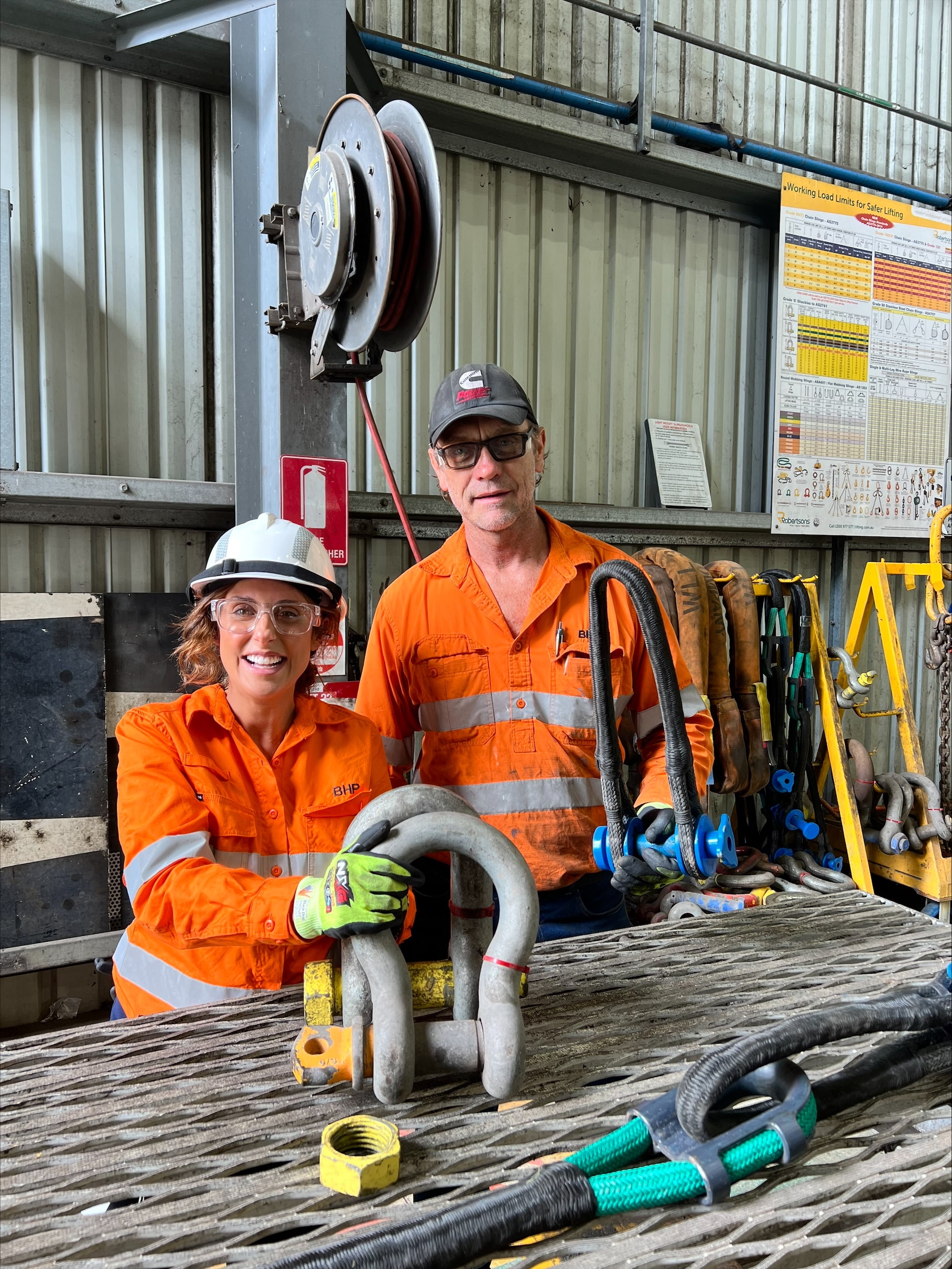
A standout initiative was delivered at the OS Mobile Workshop in Goonyella, Queensland, following an incident where a worker (Bob, pictured below) was injured installing a heavy overhead shackle. The team led the introduction of lightweight sling and shackle sets to replace the heavier equipment, significantly reducing physical strain and making the task safer and more inclusive. After a successful trial, the solution was replicated across multiple sites in Queensland, at Peak Downs, Caval Ridge and Saraji, as well as at Newman in Western Australia.1
Bob from the OS Mobile Workshop in Goonyella, Queensland
This initiative is one of more than 400 delivered by the OS Maintenance Redesign team over the past five years. These improvements are now embedded into OS Maintenance systems and supported by audits and the Standardised Work App, contributing to a sustained year-on-year reduction in musculoskeletal and total injury rates across OS Maintenance operations.
Footnote:
1. Third to ‘Traumatic joint/ligament and muscle/tendon injury’ and ‘wounds, lacerations amputations, and internal organ damage’, respectively (Safe Work Australia 2023).


