




Solving the problems that matter: how innovation helps BHP deliver today and build for tomorrow

Summary
- Innovation at BHP has two jobs: to create safer, more reliable performance from today's assets, and innovative options for future growth.
- BHP Invent starts with the problems our frontline teams are closest to, brings in the best of the global innovation ecosystem, and proves what works in real operating conditions.
- The next shift is in how we partner: less broad collaboration, more tightly focused work with peers to de-risk single technologies.
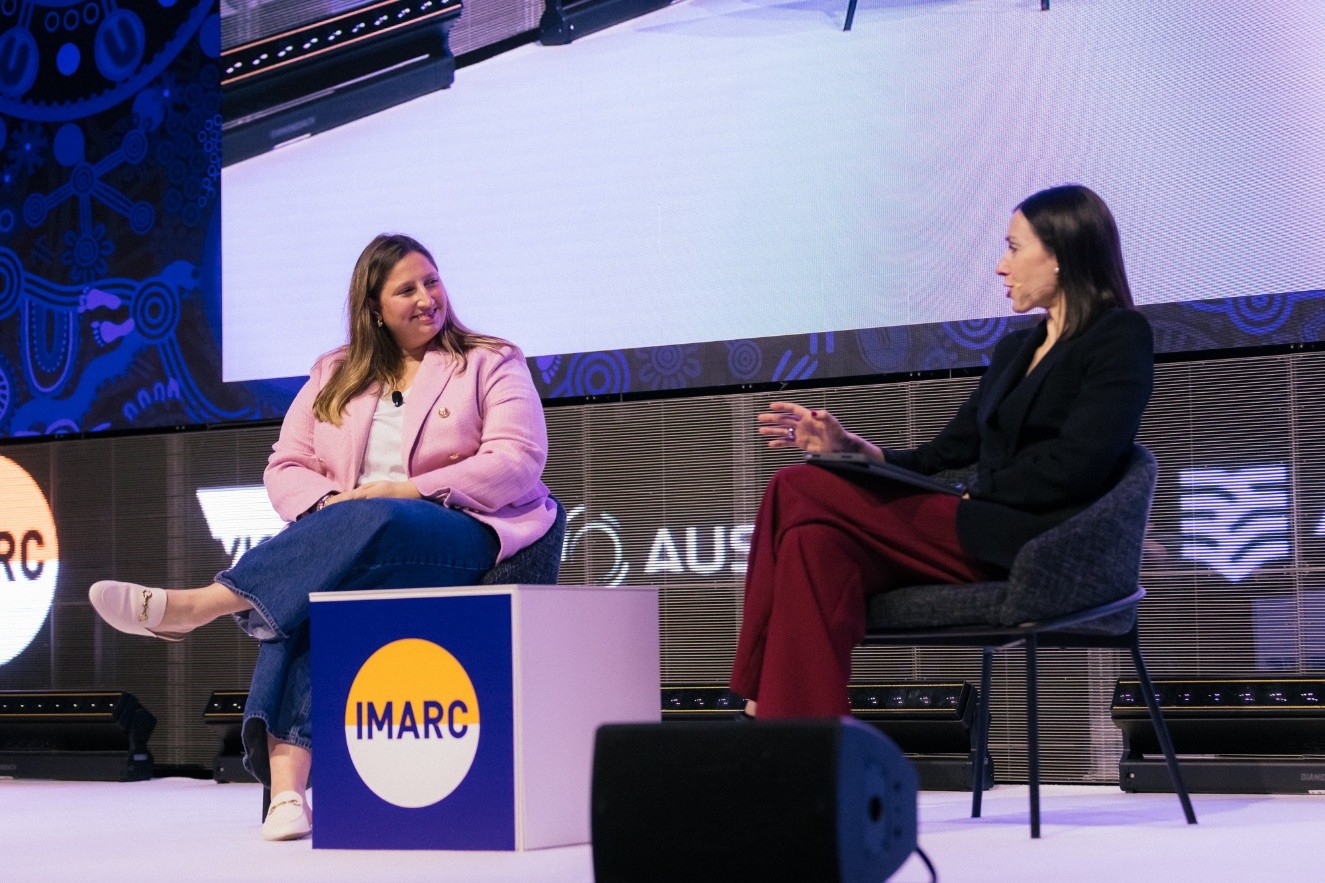
At IMARC 2026, BHP Invent joined operators, innovators, partners and peers to listen and compare notes. Underneath many of those conversations was a question we ask ourselves every day: how do we deliver for today while building the options we need for tomorrow? Here is how we are answering it.
IMARC 2026
Safety comes first
Safety is priority number one at BHP, and nothing in innovation changes that. The skill we need to build in our leaders is holding two things at once: maintaining disciplined, safe operations and creating room to experiment. Managing both elements deliberately is one of the most important capabilities we can develop in BHP's future leaders.
Start with the people closest to the work
Our approach starts with the problem and the people who own it. Frontline teams know what the work looks like every day, the constraints on site and what success would need to look like. That expertise can't be replicated.
The Invent team is roughly half people from outside traditional mining and half people from our assets, with deep operating experience. Fresh eyes change how we solve a problem, butfrontline still own it.
For the past two years we have run an internal innovation challenge, asking employees how BHP can innovate better. Each year we have seen a wave of ideas come in from across our operations. We found examples where several sites were facing the same challenges, and some problems had already been solved at one site and only needed to be shared with others. The capability to innovate is clearly there. Our job in BHP Invent is to give those teams the space and the tools to lead.
Start-up speed, inside a large company
BHP doesn't need every part of the business to behave like a start-up. It needs the right teams to have the licence to move with start-up focus and speed on the problems that matter, within our safety, governance and technical standards.
Our Multiphysics project shows what that looks like. It is a technology we are building ourselves, run like a small start-up inside Invent, with commercial, legal and technical teams working alongside specialist vendors. It runs several ground geophysical techniques together in one survey, so we can evaluate ground faster and direct exploration effort where it matters most. It is early days for the project. The next milestone is testing three techniques together, and the supporting modelling still has to prove itself at the pace of a live survey.
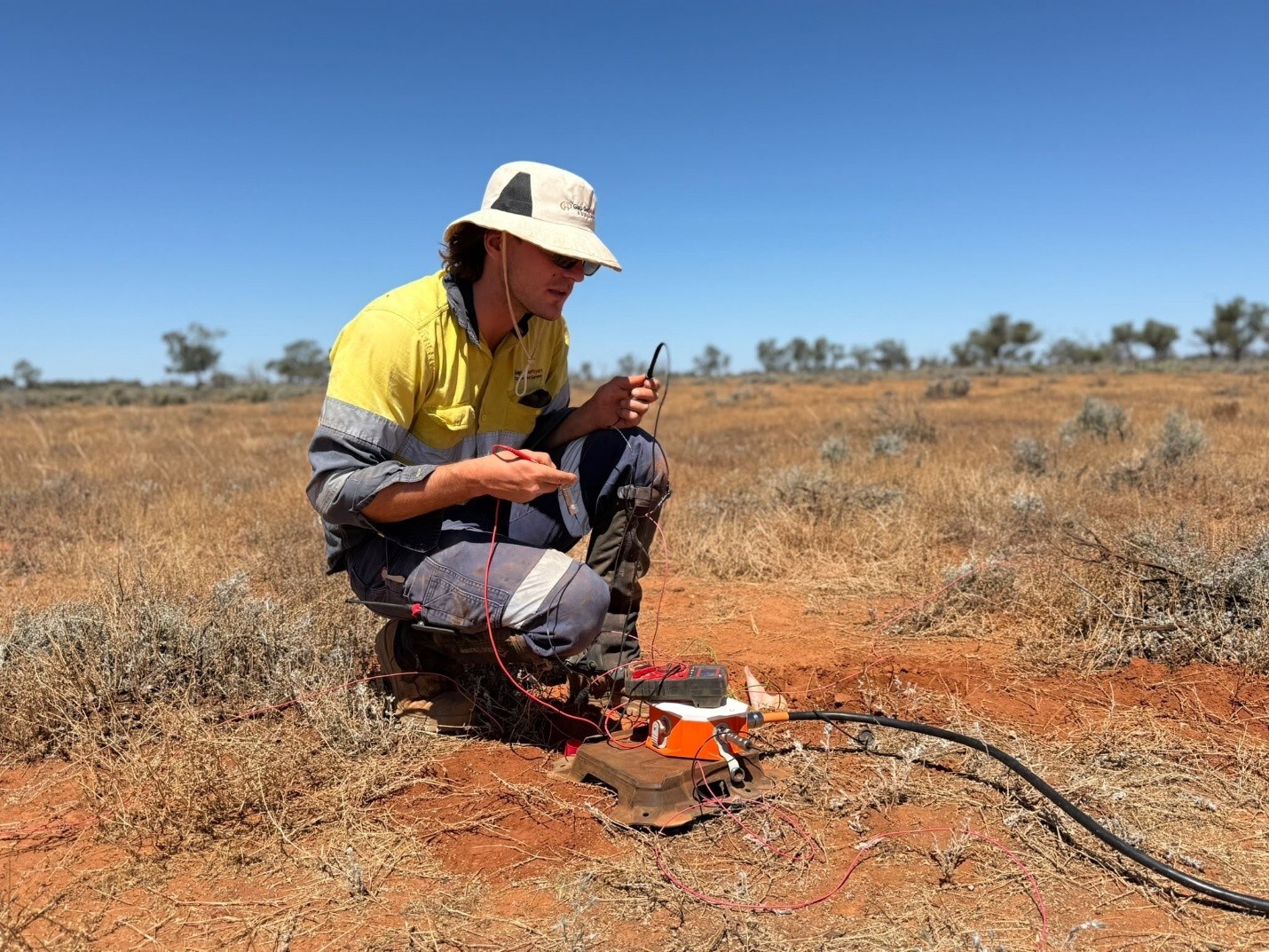
The BHP Invent team testing Multiphysics technology in Broken Hill.
Weeks, not years: what AI is changing
AI for scientific discovery has changed our thinking, and we are now investing in earlier-stage research and development (R&D) than in previous years. Working with Microsoft Discovery and Prescience Insilico on a copper leaching challenge, we used advanced computing to screen more than 500,000 candidate molecules and narrow them to a small set worth testing in the lab. That took weeks. A traditional R&D program would likely have taken years.
The candidates still have to prove themselves in the lab, and performance at scale is unproven. But AI lets our experts consider a far wider range of options in less time, and focus physical lab testing where it counts.
It is also teaching us that a defined problem statement isn't the only way in. When a unique capability emerges with clear potential value but no obvious home in our portfolio, early experimentation can show us where it might apply, before a specific use case is defined at one of our assets.
Collaboration that gets specific
Broad industry collaboration helped accelerate innovation in oil and gas, and it has a role in mining too. But we see a bigger opportunity in something narrower: tightly focused collaboration to de-risk a single technology. One partner leads, another co-pilots. We co-design the test, share the data and find out together, faster, whether the technology works.
That means being clear about what we need and what we are willing to share, and being comfortable not always leading. We are already working this way with peers on several technologies
What comes next
BHP has a long record of reinvention, built on long-term thinking and discipline. Innovation today is no different. The miners that succeed won't be the ones with the longest list of technologies. They will be the ones that define the right problems, bring the right people together, test rigorously and turn evidence into action.
Have a problem you think we should be working on, or an idea you want to test? Get in touch at BHP Invent.
Related Content


