



Brazilian Agreement marks second anniversary with over R$ 44.3 billion disbursed in remediation
The Brazilian Agreement, which continues and enhances the reparation actions initiated in 2015 following the collapse of Samarco's Fundão dam, reached its second anniversary on 25 October. From 2015 to September 2026, the execution of reparation and compensation actions totals R$ 82.6 billion, representing roughly half of the total R$ 170 billion envisaged under the Agreement. This progress is also highlighted by advancements across environmental and public policy fronts throughout the affected territories.
Under Samarco’s obligations set out in the Brazilian Agreement, R$ 26.4 billion has been allocated to obligations to perform, encompassing environmental recovery initiatives, new resettlement districts, and indemnifications. Regarding obligations to pay—associated with transfers to public authorities—the amount has reached R$ 17.9 billion, out of a total of R$ 100 billion committed. These funds are transferred to the Federal Government, states, and municipalities to support the implementation of public policies across the regions.
In this context, 45 of the 49 eligible municipalities across Minas Gerais and Espírito Santo have acceded to the Brazilian Agreement. All of them have already received the first three scheduled instalments, which are designated for initiatives in employment and income generation, the environment, culture and tourism, education, the enhancement of public services, agricultural and livestock development, infrastructure, healthcare, and/or sanitation.
Indemnification
Since 2015, disbursements across the entire remediation process have reached R$ 36.6 billion in indemnities and emergency financial aid, paid directly to more than 648,000 individuals. Currently, 99.6% of individual indemnification and financial aid claims have been concluded.
Considering solely the period since the execution of the Brazilian Agreement—from October 2024 to September 2026—approximately 357,000 individuals have received R$ 18.5 billion. Of this total, 321,200 indemnification payments were settled via the Definitive Indemnification Programme (PID), created to expand access to compensation through simplified criteria for proving damages.
Infrastructure and Environment
In the resettlements of Novo Bento Rodrigues, Paracatu, and within the Family Resettlement, 100% of construction works have been completed. In total, 395 builds were delivered—comprising dwellings, businesses, smallholdings, churches, and community associations—alongside 22 public assets, such as schools, healthcare clinics, public squares, and sanitation networks, which have been formally handed over to public authorities.
On the environmental restoration front, initiatives have attained 96% of the target for fencing off areas designated for compensatory reforestation, totalling 47,900 fenced hectares where planting operations are under way. The initiative has also achieved 94% of its protection objective, with 4,600 water springs protected through the participation of more than 3,000 rural properties.
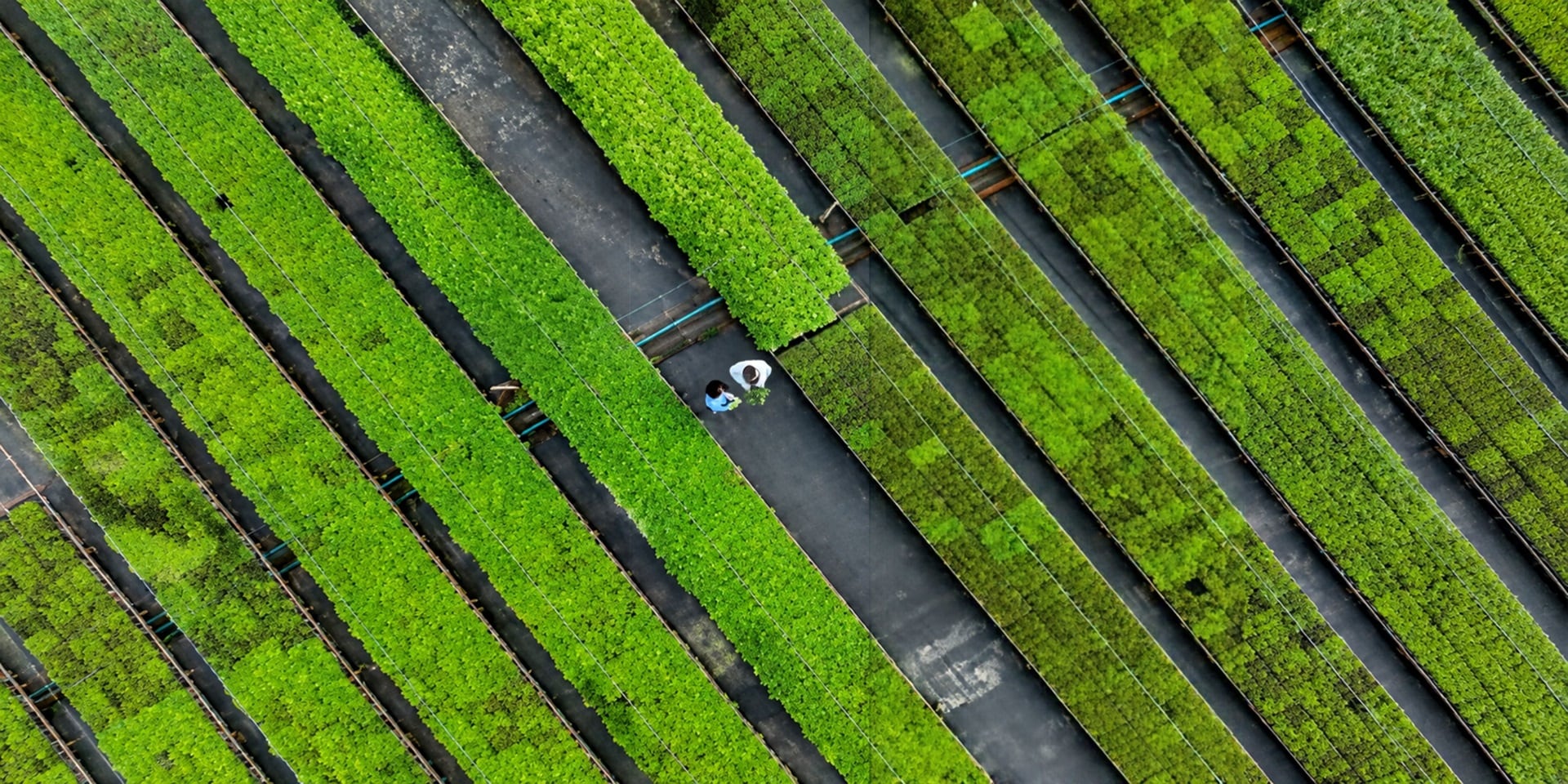
Along the Gualaxo do Norte River, the renaturalisation of approximately 4 km of the watercourse was completed, achieving ecological restoration and documenting the return of native fish species. On the riverbanks affected by tailings between the Gualaxo do Norte River and the Risoleta Neves Hydroelectric Power Plant, over 432 hectares are undergoing forest restoration across 219 rural properties, supported by the planting of more than 1 million native seedlings. Consequently, water and sediment quality monitoring programmes indicate that raw water conditions are now comparable to those documented prior to the collapse.
Studies also point to sewage treatment as a critical factor in improving water quality across the Basin. Basic sanitation initiatives led to the construction or expansion of 11 Sewage Treatment Plants and associated infrastructure. These interventions, completed across 22 municipalities, have the capacity to treat roughly 3.9 million litres of sewage per day, benefiting approximately 1 million people directly or indirectly.
Governance of the Brazilian Agreement
The negotiations that led to the Brazilian Agreement were facilitated by the Federal Regional Court of the 6th Region (TRF6) through a conciliation process that convened representatives from public authorities and the companies involved. Commenting on the process, the President of TRF6, Federal Appellate Judge Ricardo Machado Rabelo, explained that "were it not for conciliation, these issues would undoubtedly still be pending before the Court today, with no foreseeable prospect of resolution."
According to Paulo Chung, Vice President of Legal and Remediation at BHP Brasil, the Brazilian Agreement has demonstrated its effectiveness in steering remediation as it reaches its two-year milestone. He noted that "the R$ 44.3 billion deployed since October 2024, underpinned by a structured governance framework, is translating into environmental recovery and long-lasting social infrastructure for the communities across the Basin."
BHP Brasil, as a shareholder of Samarco, remains committed to supporting reparation efforts and fulfilling the obligations established for Samarco under the Brazilian Agreement, prioritising transparency and constructive dialogue with communities and authorities.
Related Content


