



Governance strengthens the New Doce River Agreement
Integrated management and monitoring structure boosts the execution of reparations in the basin
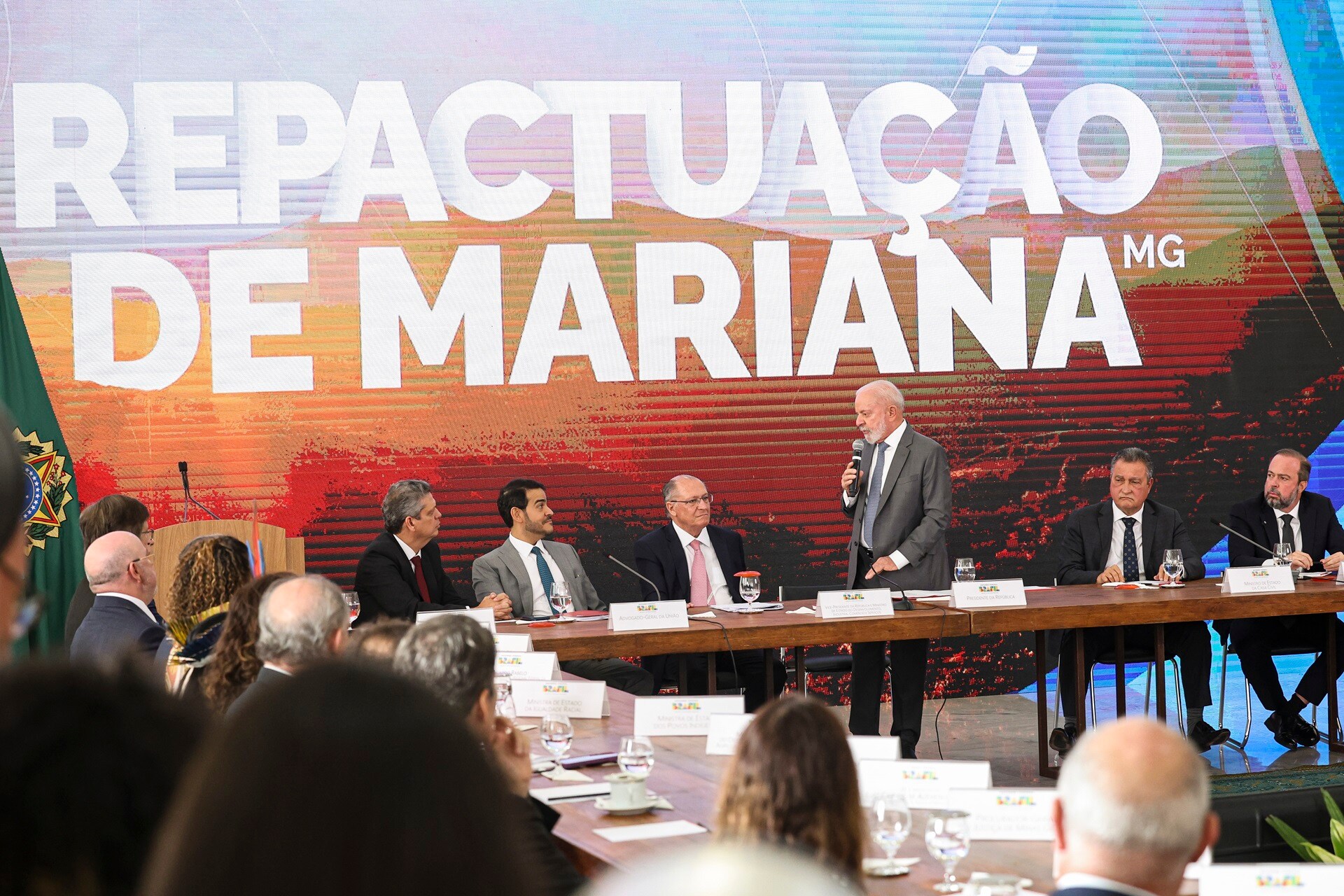
The New Doce River Agreement is considered the largest socio-environmental agreement in Brazil, with a total value of R$ 170 billion earmarked for the reparation of the Rio Doce Basin after the collapse of Samarco's Fundão dam in 2015. With negotiations initiated in 2021, governance was a central point and defined the participation of multiple public and private entities, including the Federal Government, the states of Minas Gerais and Espírito Santo, municipalities, communities, the companies Samarco, BHP Brasil and Vale, and justice institutions.
The new governance was structured with a clear definition of implementation (‘to do’) and payment (‘to pay’) obligations. Samarco is primarily responsible for executing these obligations, with its shareholders BHP Brasil and Vale acting as payment guarantors. This model includes the transition of responsibilities from the now-dissolved Renova Foundation (an entity created in 2016 to manage the reparation) to Samarco. The duration of the Agreement, 20 years from its homologation, and the various public mandates it encompasses make the robustness of public governance essential. For this purpose, the values have programmed dates, ensuring predictability, and specific destinations according to reparation needs, which guarantees their effectiveness over time.
The Federal Regional Court of the 6th Region (TRF-6) played a key role in the construction and monitoring of the Agreement. Acting as coordinator, mediator, and supervisor, TRF-6 conducted the negotiation tables that resulted in the 2024 Agreement. By delegation from the Federal Supreme Court (STF), the court also monitors the execution and implementation of the reparation, in addition to being the body responsible for homologating the terms of adherence of municipalities and publishing semi-annual reports detailing the fulfillment of obligations.
Since its homologation in November 2024, until April 2026, the Agreement has allocated R$ 42.11 billion to reparations. The total disbursed since 2015 reaches R$ 80.39 billion. Of this post-Agreement amount, resources were directly distributed to people via indemnities, financial aid, and emergency measures. They were also directed to socioeconomic projects, infrastructure, and resettlement, and sent to public accounts for the financing of initiatives in health, sanitation, and local development. Samarco's "to do" obligations include the finalization of indemnity processes, the conclusion of resettlements, and environmental recovery actions.
Transparency and access to information are essential for the legitimacy and effectiveness of reparation actions, ensuring that the basin communities and society have continuous access to information. Accountability is an obligation of the Agreement, guaranteed by various channels and mechanisms. Samarco maintains a website with announcements, press information, a Relationship Center, and a Social Ombudsman for dialogue with communities. The Unified Rio Doce Reparation Portal, under the responsibility of the Espírito Santo State Government, centralizes public data on work plans, transfers, and environmental reports.
The governance of the Agreement is strengthened by the articulation between other actors, such as the Federal Council for Social Participation of the Rio Doce Basin and the Northern Espírito Santo Coast (CFPS Rio Doce). In September 2025, 36 members were sworn in (18 representatives from communities and 18 from the federal government). The council acts as a social control body, promoting direct participation and monitoring of the budgetary execution of the Rio Doce Fund, managed by BNDES.
Furthermore, the municipalities that adhered to the Agreement exercise autonomy in managing their transfers. An example is the City of Rio Doce, Minas Gerais, which created a sovereign fund structure to manage the R$ 240 million that will be allocated to the municipality. The objective is to ensure transparency and efficient use of resources, with an autonomous Management Council to invest the proceeds in priority areas such as infrastructure and sanitation.
The Agreement’s governance model was recognized by the Innovare Award in 2025 and presented at COP30 as an international model of governance and institutional articulation for socio-environmental recovery. The Agreement was highlighted as a solution built by Brazilians for Brazilians.
According to Paulo Chung, Legal and Reparation Brazil Vice President at BHP Brasil, "The New Doce River Agreement marks a new moment for mining, in which reparation and governance are inseparable. This allows the obligations of the Agreement to be conducted with rigor, transparency, and in alignment with the expectations of responsibility of municipalities and communities", he states.
BHP Brasil, as one of Samarco's shareholders, maintains its support for the reparation and the fulfillment of the obligations established by the New Doce River Agreement for Samarco, prioritizing transparency and dialogue with communities and authorities.
Related Content


