




Frequently Asked Questions
Read about BHP's views on key topics

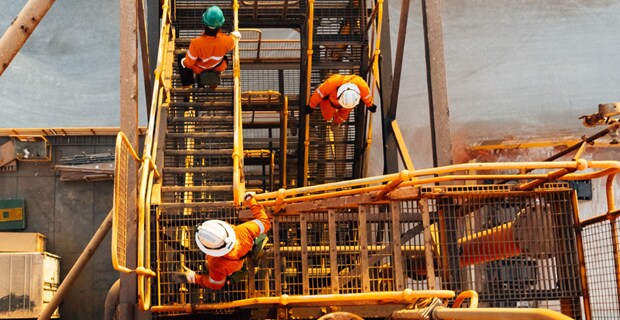
Fuel Tax Credits refund the fuel excise paid on fuel used off public roads or in eligible off-road business activities. Fuel excise is a tax included in the price of fuel that helps fund public roads.
Many Australian businesses use fuel in machinery, equipment, boats and vehicles that do not travel on public roads. Fuel Tax Credits ensure these businesses are not charged with a road-related tax on fuel that is not used on public roads.
Fuel Tax Credits are a long-standing tax integrity measure, not a subsidy. They rebate excise to businesses across the economy that do not use public roads. Treasury (Australian Government) has confirmed fuel tax credits are “not a subsidy for fuel use, but a mechanism to reduce or remove the incidence of excise or duty levied on the fuel used by businesses off road or in heavy on road vehicles.”1
1 The Treasury (Australian Government), Australia’s Submission to the G20 Energy Experts Group, Document 10A, Fossil Fuel Consumption, treasury.gov.au.
Fuel Tax Credits are used by a wide range of Australian industries that rely on off-road fuel. They include agriculture, fishing, construction, transport, tourism, and mining, along with other businesses that use fuel in machinery, boats, heavy equipment, generators, and off-road vehicles.
These industries help produce food, move goods, build infrastructure, support regional economies, and keep essential services running
If Fuel Tax Credits are cut, capped or removed, businesses that rely on off-road fuel would face higher operating costs. For many of these businesses, fuel is essential to run machinery, boats, equipment, and vehicles.
Reducing or removing the credits would effectively apply a new tax on fuel used off public roads, raising the cost of fuel for these businesses.