Brazilian Agreement Allocates Nearly R$ 1 Billion for Advances in Community Health
16 marzo 2026
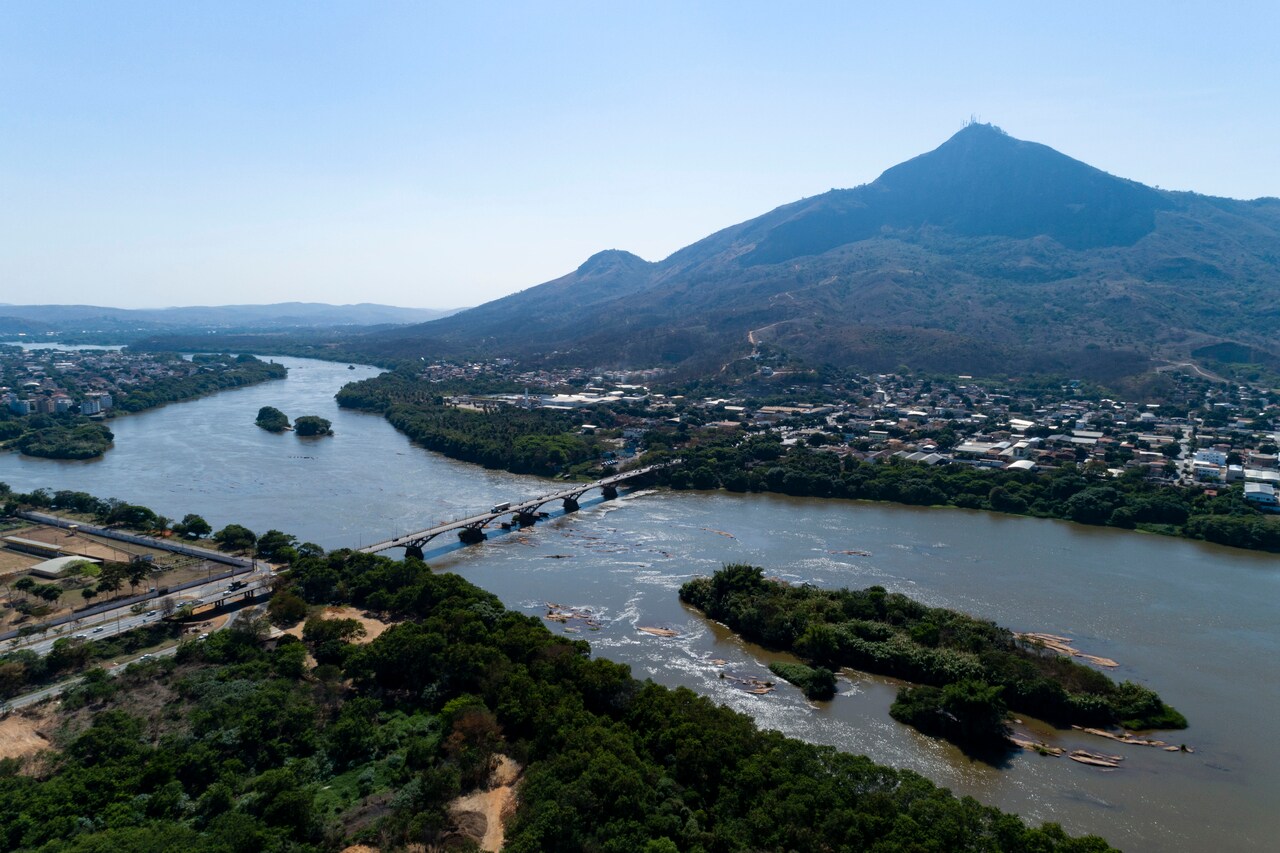
In total, R$ 12 billion from the Brazilian Agreement will be allocated to healthcare. Credits: BHP
The Brazilian Agreement, which allocates R$ 170 billion to the reparation of the region affected by the collapse of the Fundão dam, owned by Samarco, continues to advance. In 2025, the Public Sector received R$ 985 million in transfers from Samarco for use in health-related actions, managed by the Brazilian Development Bank (BNDES), to enable the construction and expansion of health units and hospitals in Minas Gerais and Espírito Santo.
In October 2025, a transfer of R$ 422.4 million from the Rio Doce Fund to the Ministry of Health allowed for the initiation of projects such as the Santana do Paraíso Day Hospital, the Mariana University Hospital (of the Federal University of Ouro Preto), and reference centers for Water and Chemical Substance Exposure. In September 2025, R$ 562.63 million was transferred to fund municipal health plans (PMS) — the four-year strategic plan for the municipal Brazil's Unified Health System (SUS). Another R$ 263.1 million is planned for 2026.
Beyond these specific transfers, the Agreement establishes the Special Health Program – Rio Doce, which covers 38 municipalities in Minas Gerais and 11 in Espírito Santo. It includes R$ 815.8 million for Ministry of Health projects, R$ 1.8 billion for municipal health plans, and R$ 300.2 million for research by the Oswaldo Cruz Foundation (Fiocruz). Its objectives are to monitor the region, strengthen the SUS, mitigate damages, and expand the primary care, surveillance, and psychosocial support network. Aloizio Mercadante, president of BNDES, highlighted that the health initiatives of the Agreement restructure the public health network and strengthen communities.
In total, the Agreement foresees the allocation of R$ 12 billion for the health sector. This amount is divided into R$ 3.6 billion for immediate actions and R$ 8.4 billion of the total value for the constitution of a perpetual endowment fund.
The fund, which corresponds to 70% of the total value allocated to health, is deposited in an account indicated by the Federal Government with the objective of guaranteeing long-term resources for the strengthening of the SUS in the affected regions. The strategy allows for the preservation of the principal value and the use of annual yields to sustain health actions over time. At least 50% of these yields will be allocated annually to the municipalities.
Basic Sanitation
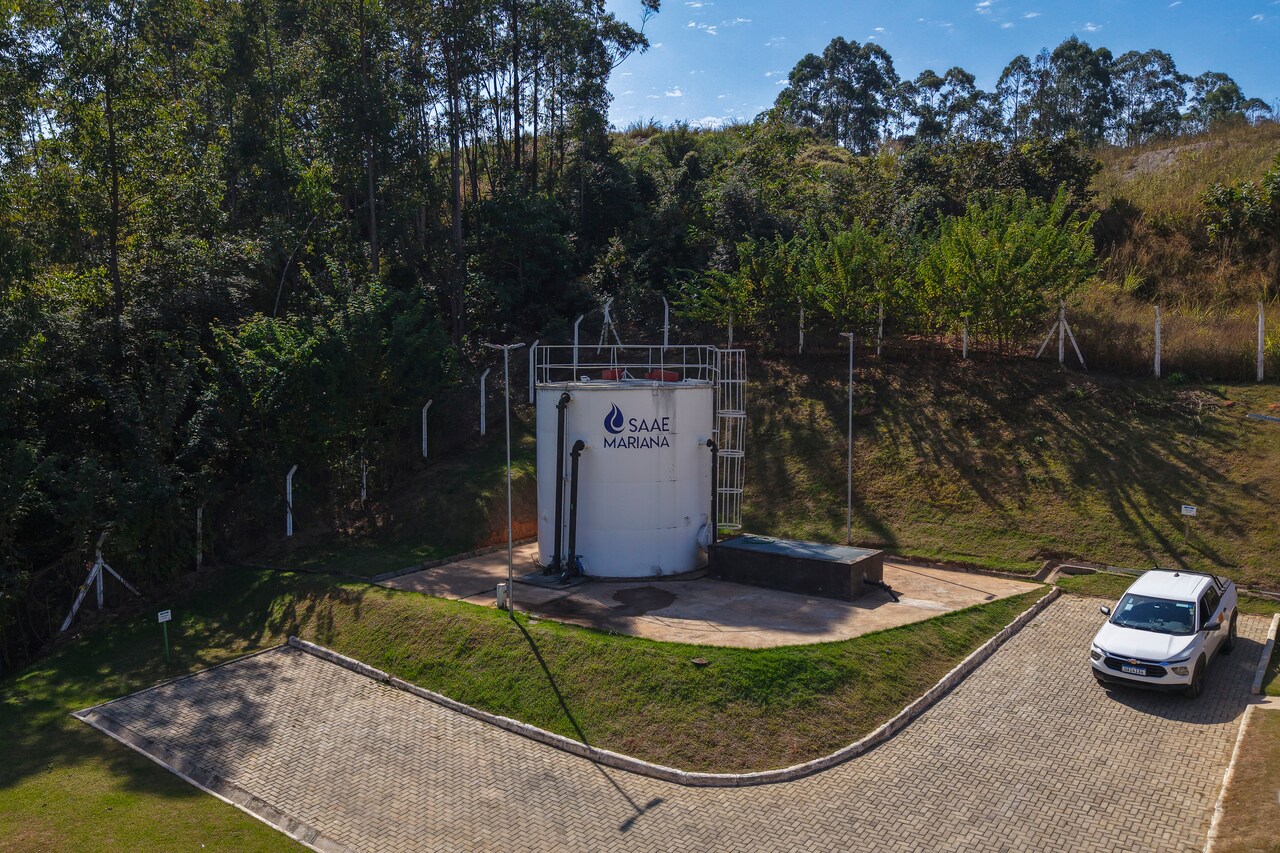
The universalization of basic sanitation has a direct impact on public health and the environmental recovery of the Rio Doce basin. Recognizing the interdependence between access to potable water, adequate sanitary sewage, and the well-being of communities, the Brazilian Agreement aims to transform the historically deficient sanitary conditions of the region.
For this front, the Agreement allocates R$ 11 billion, with R$ 7.54 billion for Minas Gerais and R$ 3.46 billion for Espírito Santo. Investments cover water supply, sewage collection and treatment, urban solid waste management, and macro-drainage, with the objective of universalizing services by 2033. The publication of the tender for the largest sanitation infrastructure project in the basin, valued at R$ 7.5 billion, is expected in the first half of 2027.
BHP Brasil, as one of Samarco's shareholders, maintains its commitment to supporting the transparent and effective execution of these actions, and to fulfilling the obligations established by the Brazilian Agreement, prioritizing transparency and dialogue with communities and authorities. This stance aligns with the company's vision of contributing to responsible mining and to solutions that promote sustainable development.